
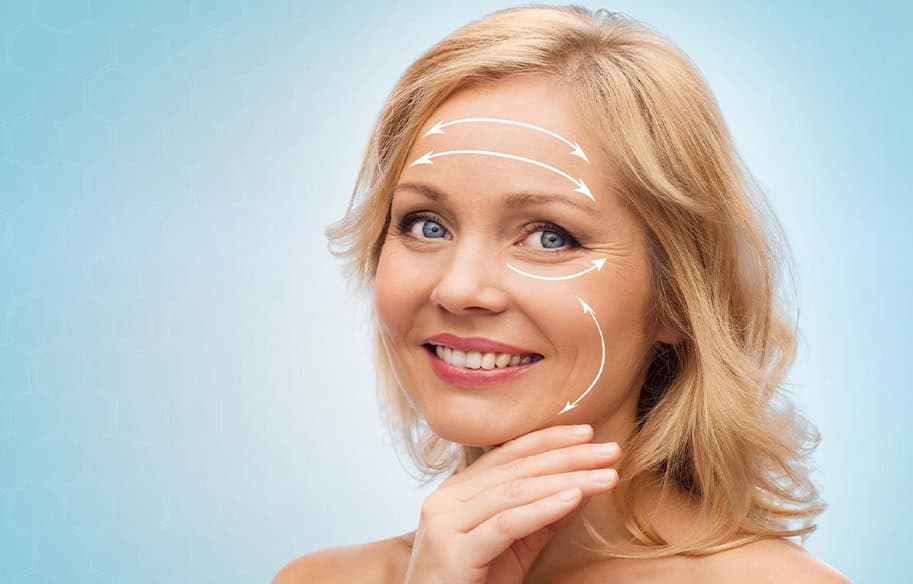
Deep Plane Facelift
For patients with significant facial ageing, a standard facelift may not go far enough. The deep plane facelift is the most comprehensive and technically advanced facelift technique available — addressing the deepest structural layers of the face to deliver a level of rejuvenation that is both more dramatic and more natural-looking than conventional approaches.
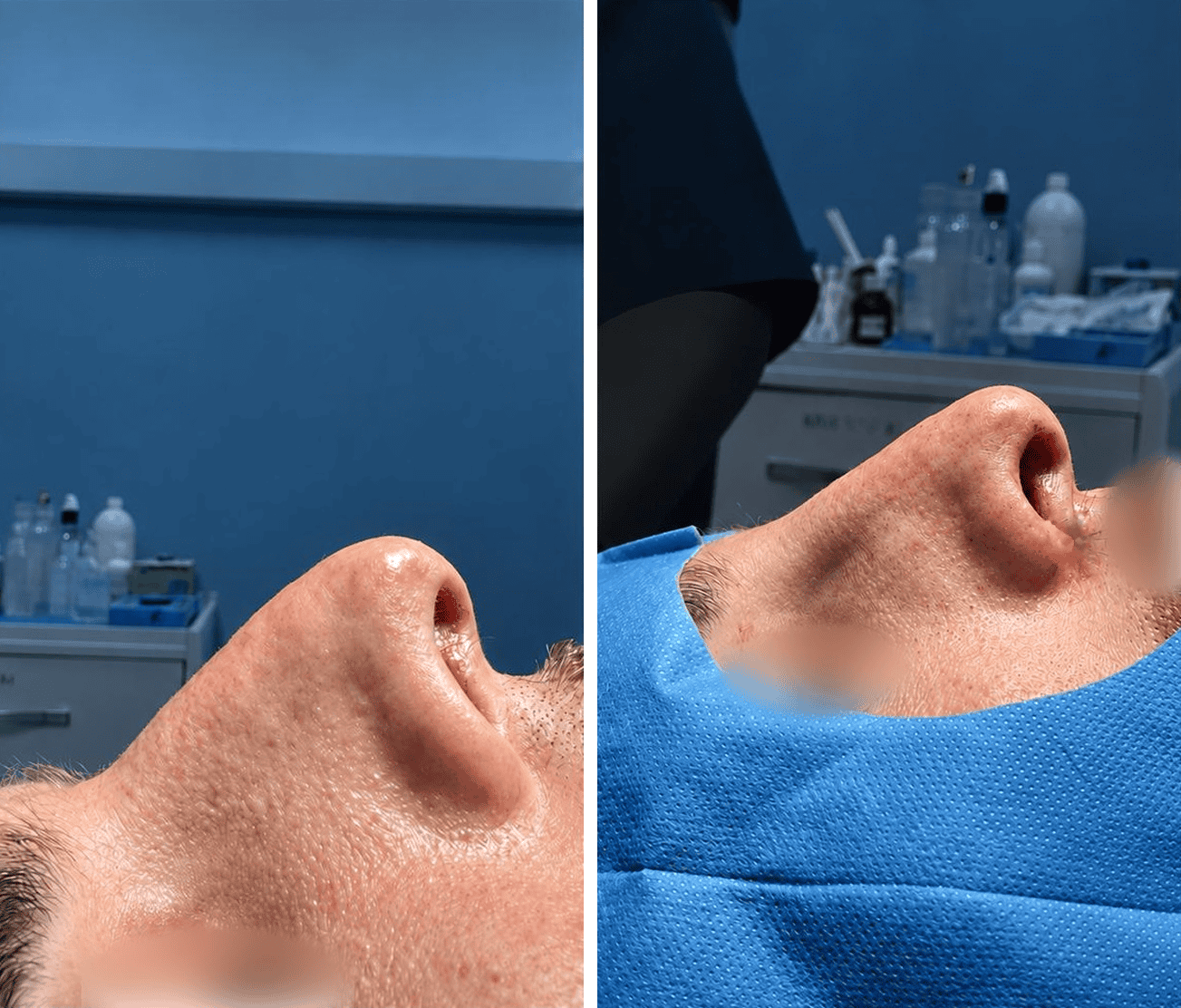
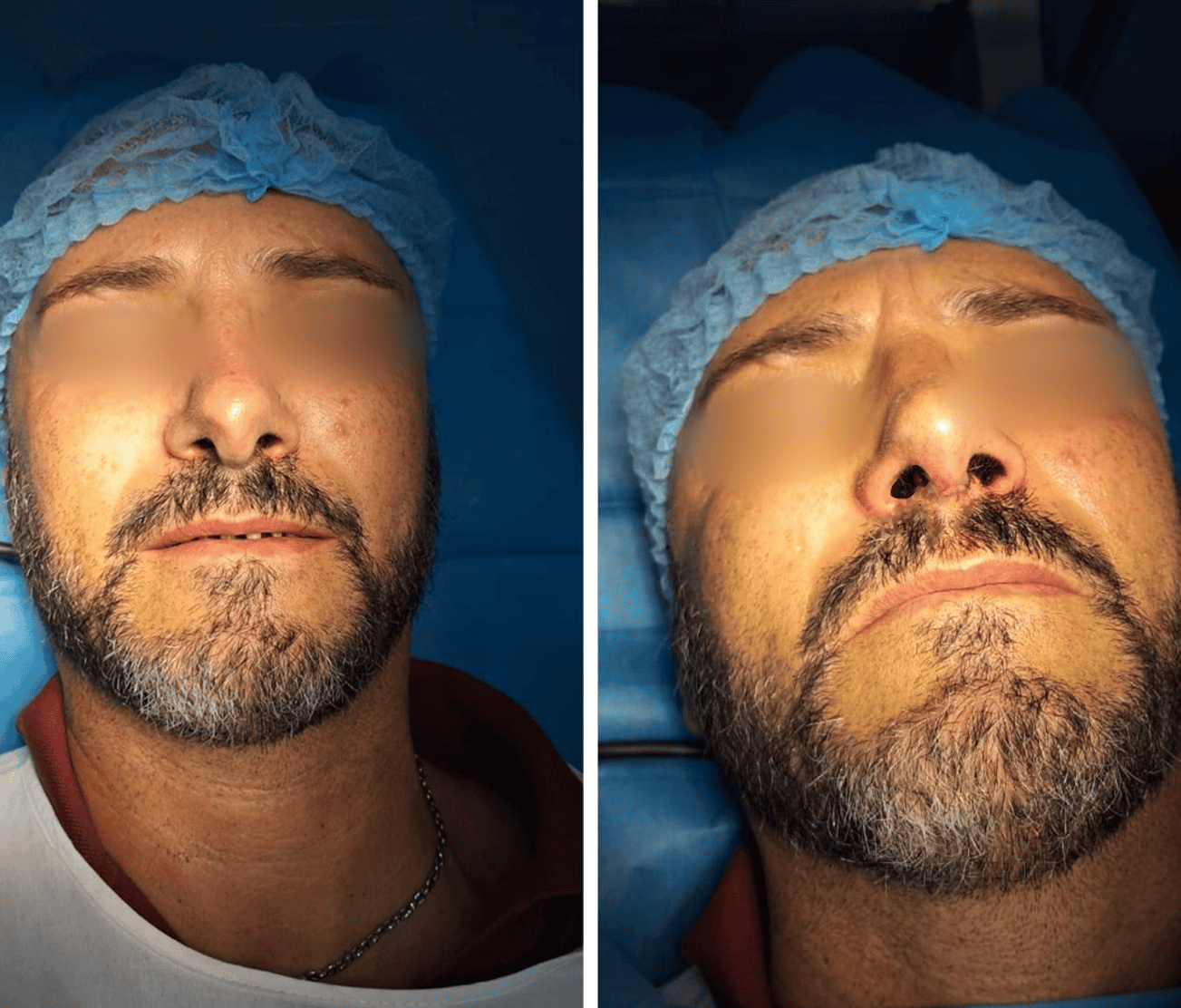
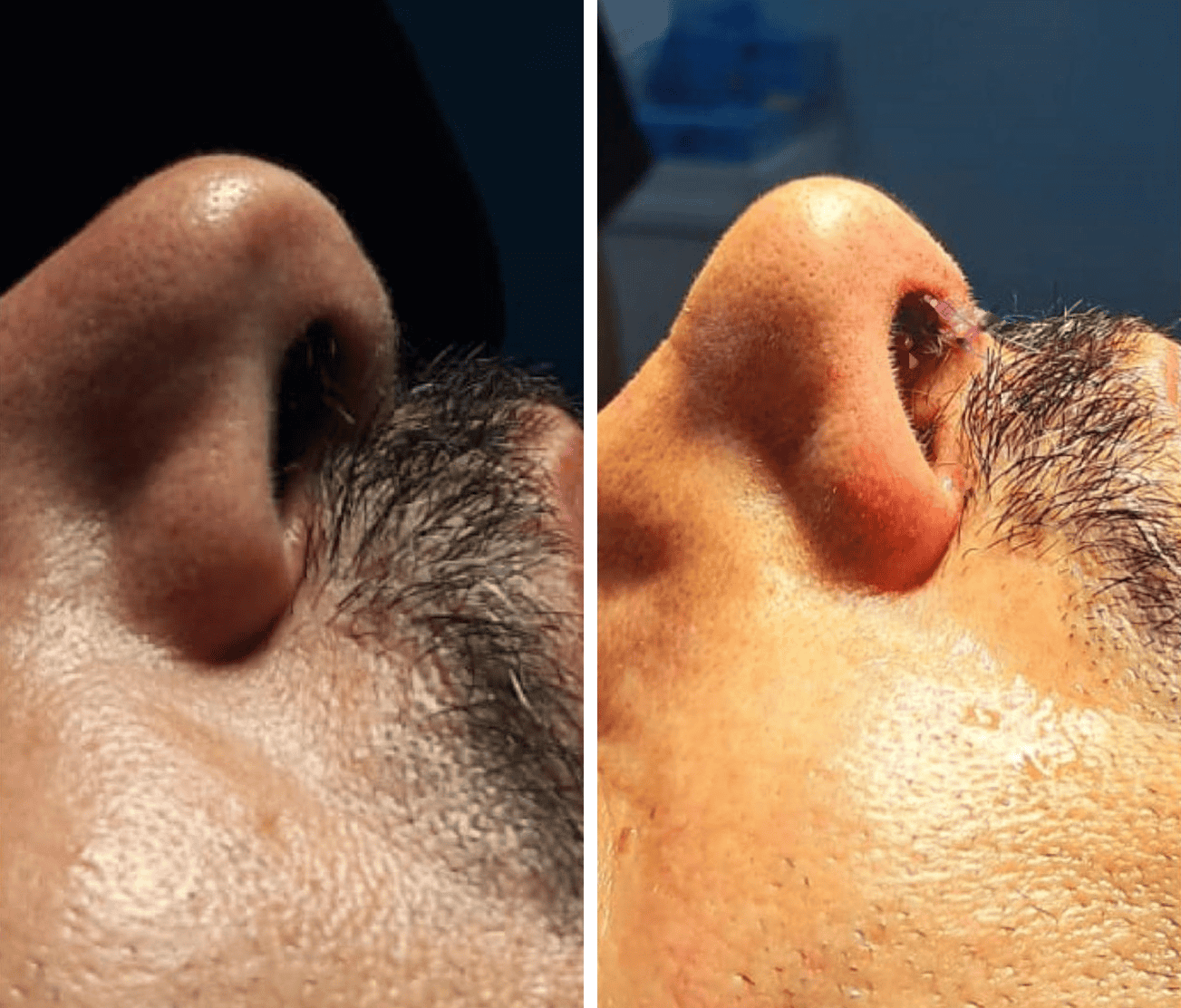
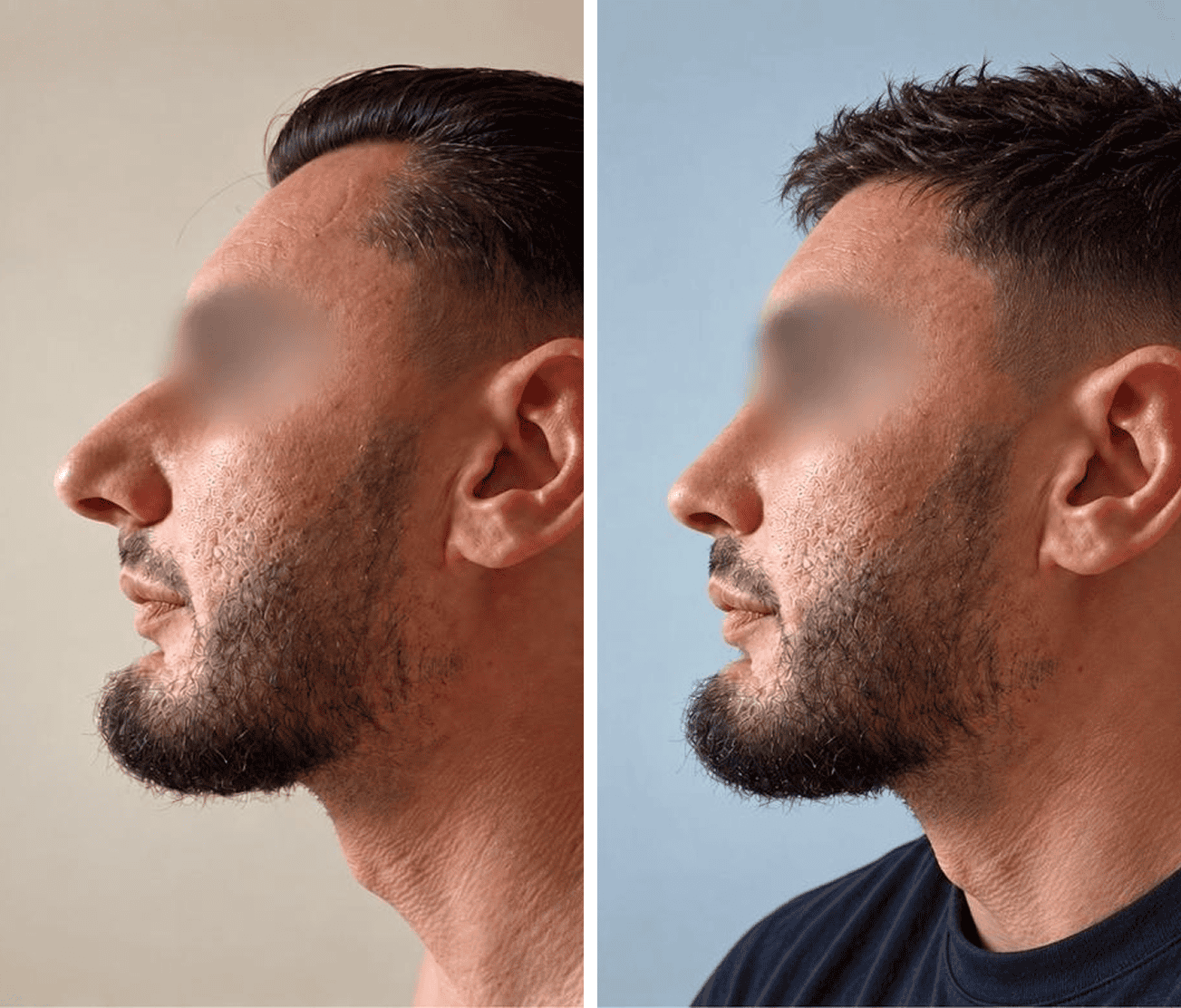
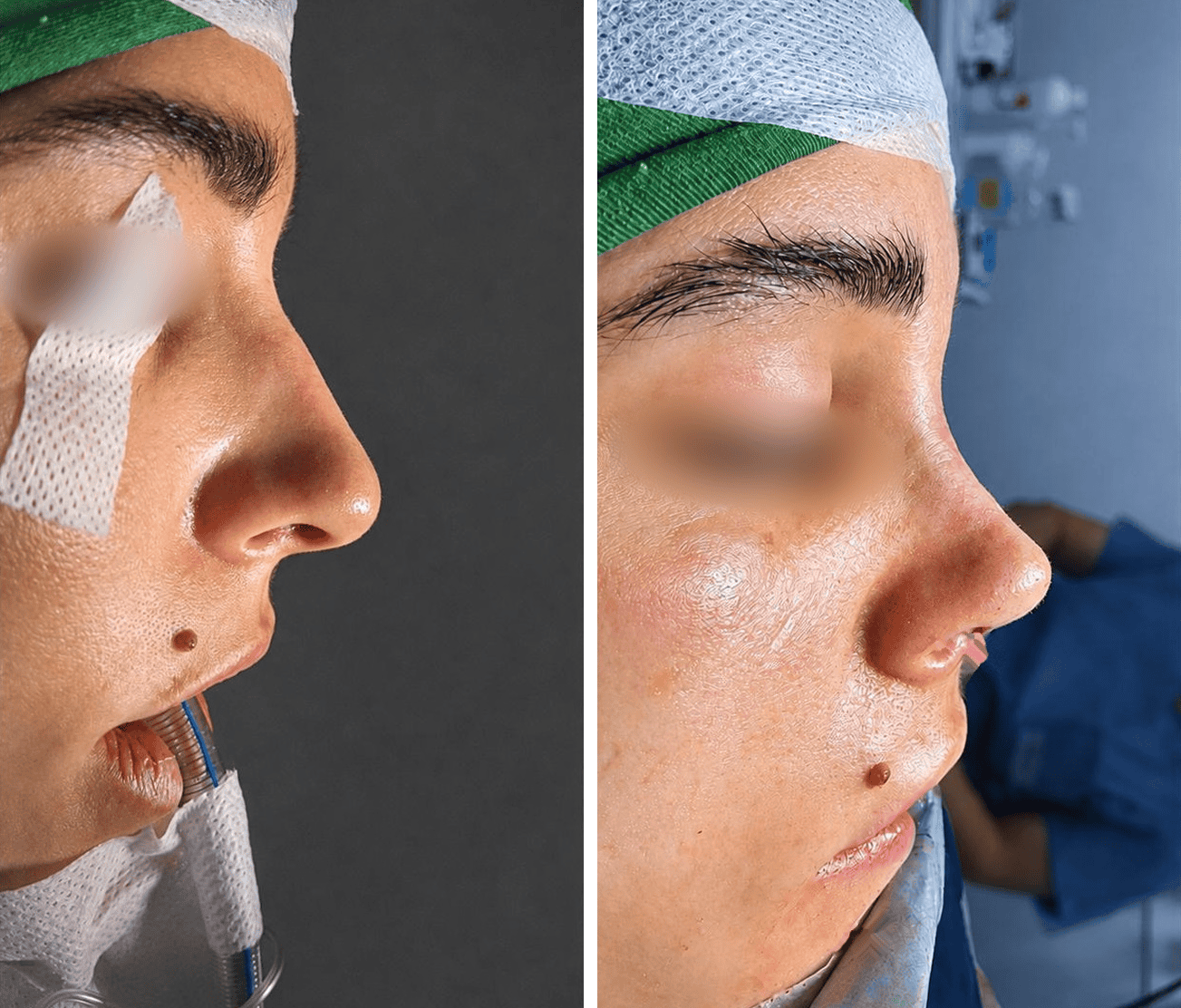
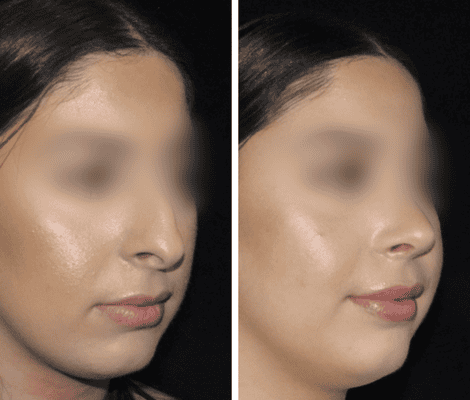
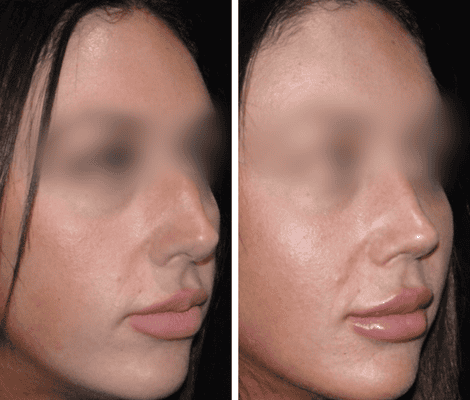
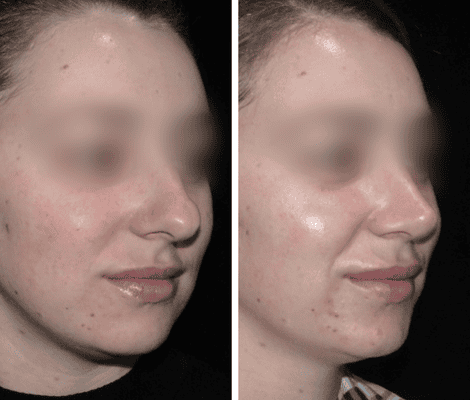
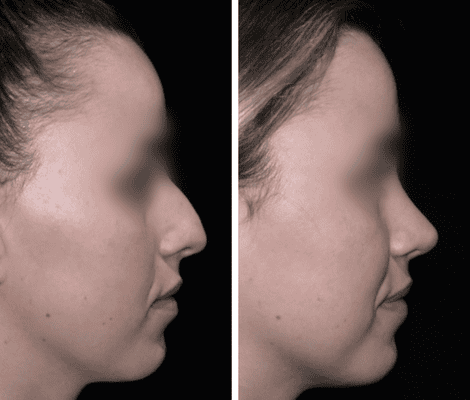
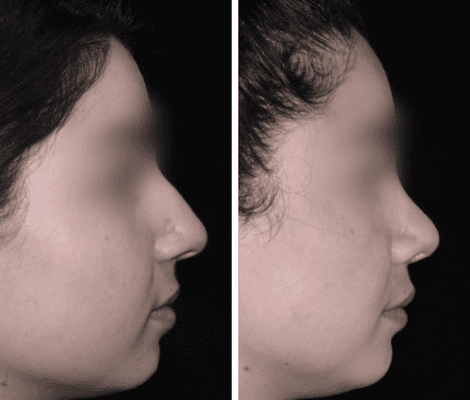
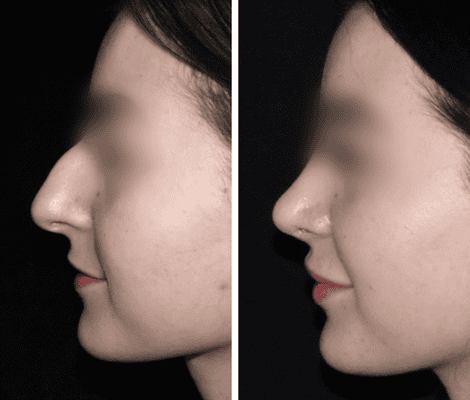
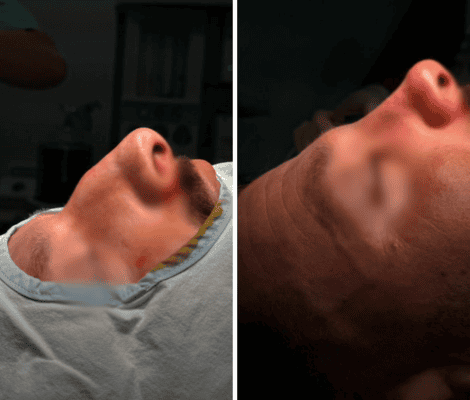
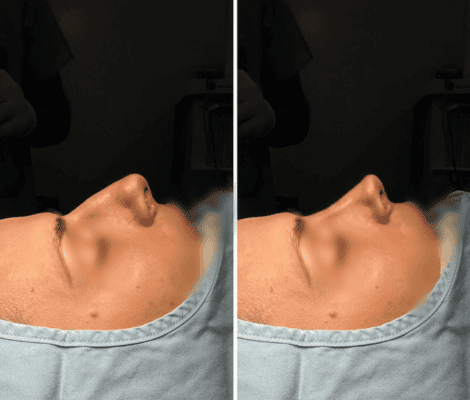
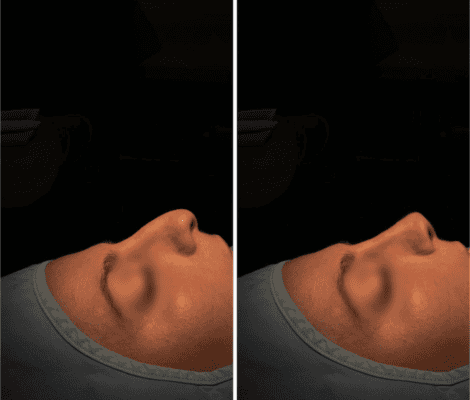
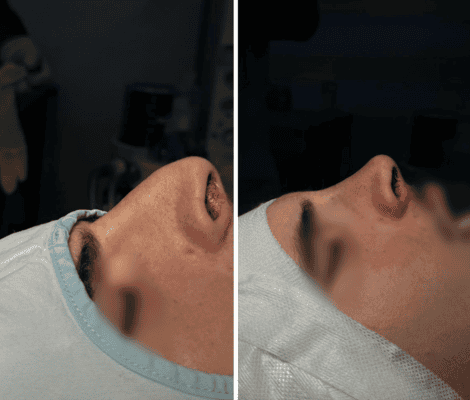
What is a Deep Plane Facelift?
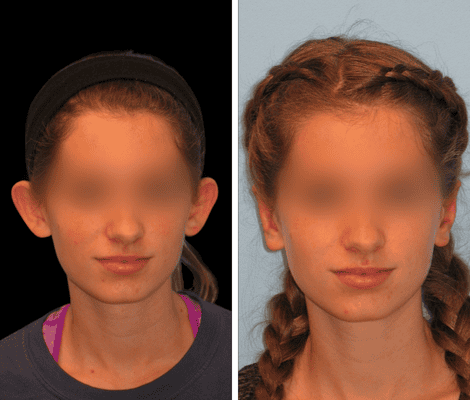
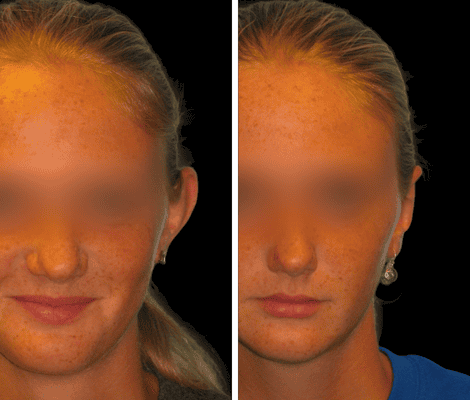
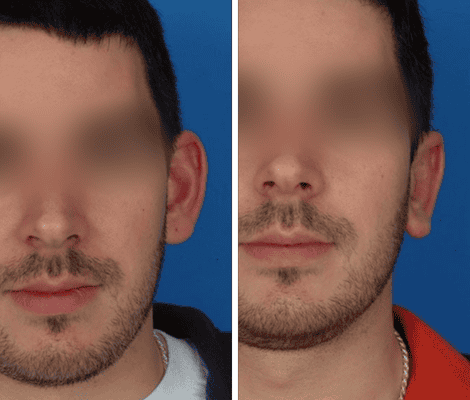
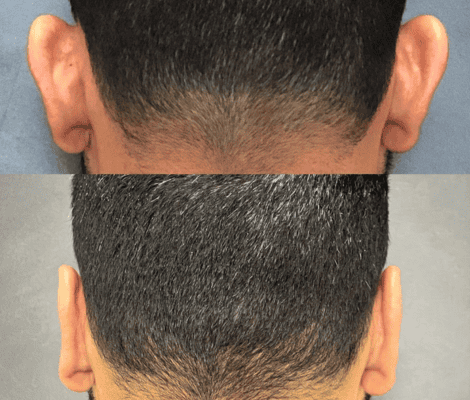
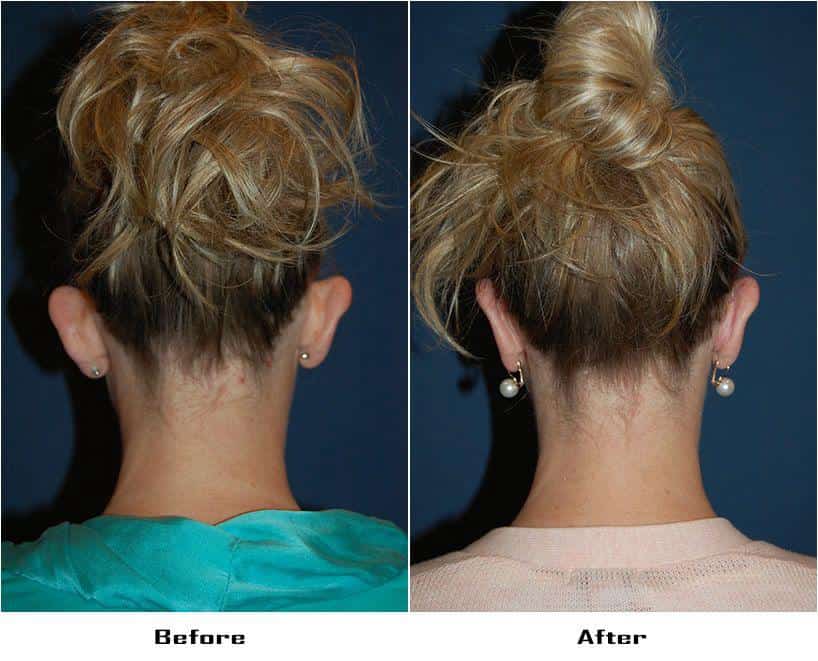
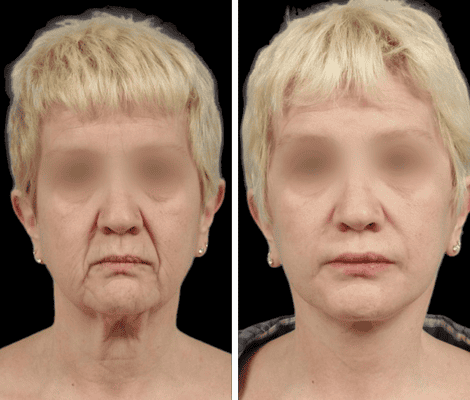
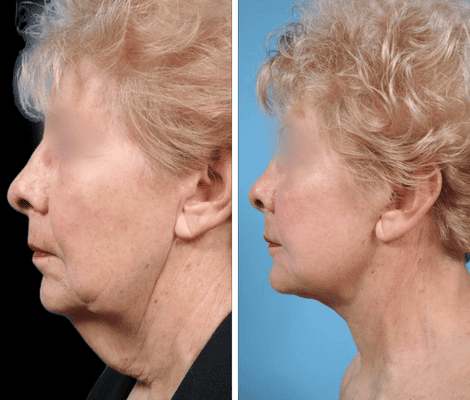
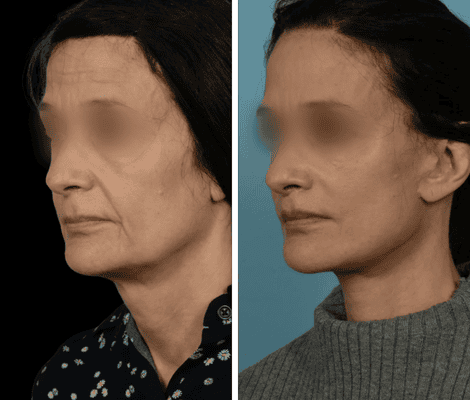
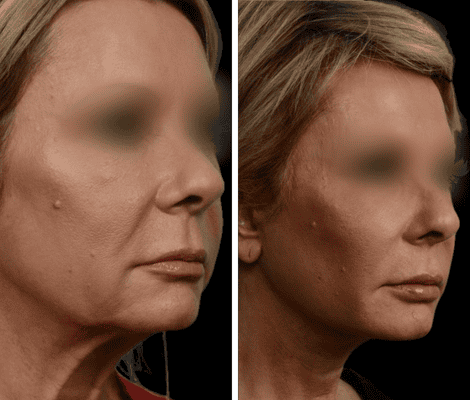
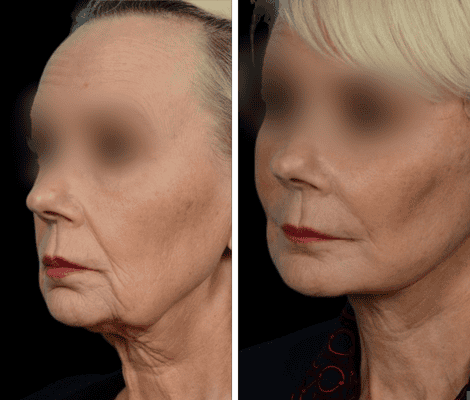
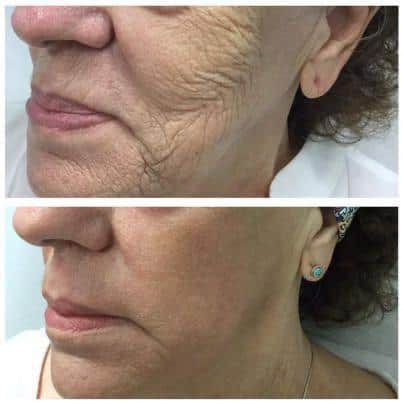
A deep plane facelift is an advanced surgical technique that works beneath the SMAS layer — the muscular and fascial system that a standard facelift addresses — to release and reposition the deeper structural foundations of the face. By operating at this deeper level, the procedure is able to lift the face as a single, unified unit rather than simply pulling the skin, addressing the mid-face, nasolabial folds, jowls, and neck comprehensively in a way that no other technique can match. The result is a rejuvenation that looks genuinely natural — because the underlying anatomy has been correctly repositioned rather than simply stretched.
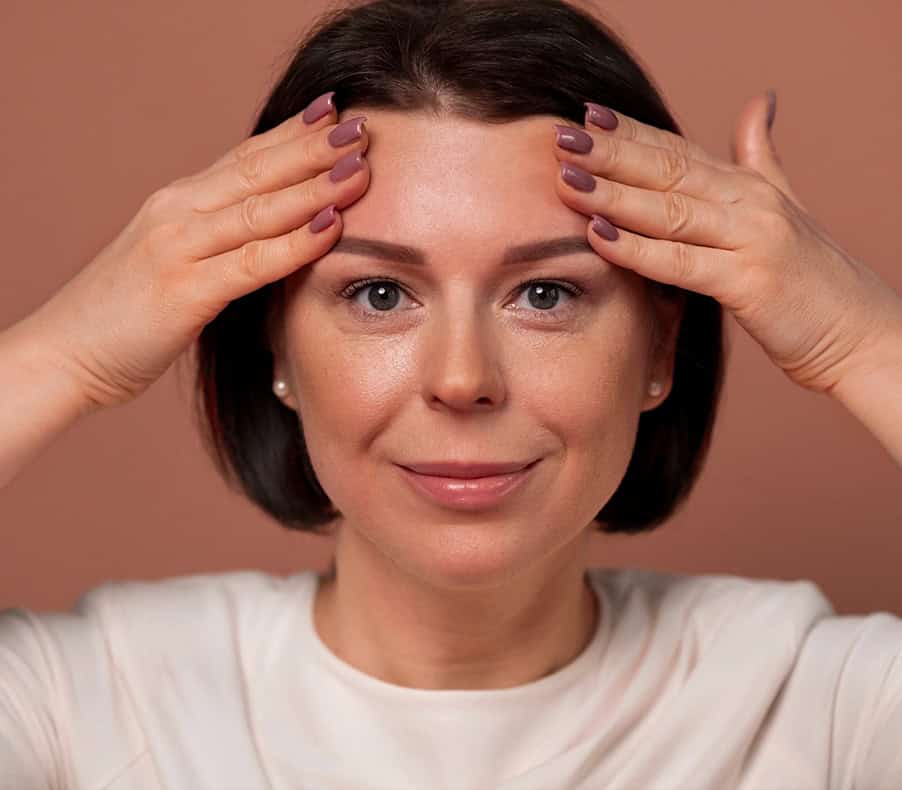
Is a Deep Plane Facelift
RIGHT FOR YOU?
The deep plane facelift is the most powerful tool in facial rejuvenation surgery, but it is also the most technically demanding — and it is not necessary for every patient. The following will help you determine whether it may be the right procedure for your degree of ageing and your goals.
The ideal candidate for a deep plane facelift is typically in their 50s, 60s, or 70s and is experiencing significant facial ageing — including deep nasolabial folds, substantial jowling, mid-face descent, and neck laxity — that a standard or mini facelift would not adequately address. Candidates should be in good general health, non-smokers or willing to quit well in advance of surgery, and prepared for a recovery period that is somewhat longer than that of a conventional facelift.
Patients seek a deep plane facelift when they want the most comprehensive, longest-lasting facial rejuvenation possible — and when the degree of change they are seeking requires working at the deepest anatomical level. It is also the preferred approach for patients who have previously had a standard facelift and are looking for a revision that addresses the underlying structural causes of recurrent ageing rather than simply repeating a more superficial lift.
How it Works
The deep plane facelift is performed under general anaesthesia and typically takes three to four hours, reflecting the complexity and precision required at this deeper level of facial anatomy. It is a procedure that demands exceptional surgical experience and a thorough understanding of the face’s structural layers. Here is what the process looks like:

- Consultation and planning — Dr. Dyrmishi conducts an in-depth assessment of your facial anatomy, degree of ageing, skin quality, and goals to determine whether the deep plane approach is appropriate and to map out a precise, personalised surgical plan.
- The surgery — Working through incisions placed within the hairline and around the ears, Dr. Dyrmishi dissects beneath the SMAS layer to release the deep facial ligaments, allowing the entire facial structure to be lifted and repositioned as a cohesive unit rather than in separate layers.
- Immediate recovery — Swelling and bruising are more significant than with a standard facelift and may take two to three weeks to subside substantially; a compression garment is worn initially, and most patients feel comfortable in social situations within three to four weeks.
- Long-term results — Because the deep structural layers have been correctly repositioned, results are both more dramatic and longer-lasting than a conventional facelift — typically fifteen years or more — and age more gracefully over time.
Ready to Book Your Consultation?
Tell us more about your concerns and the service you are interested in. Our team will contact you to schedule your consultation with Dr. Ervin Dyrmishi and provide a free quote for your case.

I visited Dr. Ervin Dyrmishi for ongoing nasal blockage and breathing difficulty. He explained everything clearly, performed a detailed examination, and helped me understand the right treatment options. I felt listened to and confident throughout the process.
My consultation was very professional from start to finish. Dr. Dyrmishi took the time to understand both my medical concerns and aesthetic goals. His approach felt careful, honest, and very personalized.
I came in for sinus problems that had been affecting me for a long time. Dr. Dyrmishi was thorough, calm, and very clear in explaining the diagnosis and next steps. The whole experience made me feel much more comfortable.
I was nervous before my facial procedure, but Dr. Dyrmishi explained the treatment plan in detail and answered all my questions. I appreciated his focus on natural results and making sure everything suited my face.
We brought our child for recurring ear and throat problems, and the consultation was excellent. Dr. Dyrmishi was patient, gentle, and explained everything in a way we could understand. We felt reassured and well guided.
Dr. Dyrmishi combines professionalism with a very human approach. He carefully reviewed my symptoms, explained the examination findings, and gave me a clear plan for treatment. I would highly recommend him.
Our Patients in Their Own Words
Why Choose Dr. Ervin Dyrmishi?
Dr. Ervin Dyrmishi brings together a strong medical background, advanced ENT and head and neck surgery training, and a refined understanding of facial anatomy and aesthetics. He graduated magna cum laude with a joint medical degree from the University “Our Lady of Good Counsel” in Tirana and the University of Rome “Tor Vergata,” and has continued his professional development through international courses in aesthetic and functional septorhinoplasty, rhinology, otology, temporal bone surgery, and head and neck surgery.
His clinical experience includes ENT emergency care, microsurgery, surgical patient management, head and neck procedures, and daily diagnostic evaluation, giving patients a careful, structured, and well-rounded approach to both medical and aesthetic care.
Let’s Make Your Beauty Journey Simple
Faqs
Frequently Asked Questions
A standard facelift works on the SMAS layer — the muscular and fascial system just beneath the skin — tightening and repositioning it to lift the face. A deep plane facelift goes a level deeper, releasing the ligaments that anchor the facial soft tissue to the underlying bone and repositioning the entire facial structure as a single unit. This produces a more comprehensive correction of deep folds and descended tissue, a more natural result, and a longer-lasting outcome than a conventional approach can achieve.
Yes — and this is one of the key advantages of the deep plane technique over a standard facelift. Because the procedure releases the deep facial ligaments and repositions the underlying soft tissue, it is able to address deep nasolabial folds far more effectively than a conventional lift, which primarily tightens rather than repositions. For patients whose primary concern includes deep folds between the nose and mouth, the deep plane approach often delivers a significantly superior result.
Recovery from a deep plane facelift is more involved than that of a standard facelift, reflecting the greater extent of the surgery. Swelling and bruising are more pronounced in the first two to three weeks, and most patients allow three to four weeks before returning to social situations. However, many patients find that the more significant and longer-lasting result more than justifies the additional recovery time. Dr. Dyrmishi will prepare you thoroughly for what to expect at every stage.
Possibly, though revision surgery at the deep plane level requires careful assessment. Patients who have previously had a standard facelift and are finding that the results are fading — or that the initial surgery did not go deep enough to address their underlying structural concerns — may be excellent candidates for a deep plane revision. Dr. Dyrmishi will assess your anatomy, the nature of your previous surgery, and your current goals thoroughly before making any recommendation.
Contact us now!
Book Your Appointment Today
Take the first step toward clearer breathing, improved comfort, or a refined aesthetic result. Dr. Ervin Dyrmishi provides personalized consultations for ENT, head and neck, plastic, and facial aesthetic surgery concerns.
Call +355694069847 or fill out the form to schedule your consultation.
Interested in ENT, Head and Neck, or Plastic Surgery Care?
Tell us more about your concerns and the service you are interested in. Our team will contact you to schedule your appointment and guide you through the next steps.
