
Swallowing Disorders
Swallowing is something most people do without a second thought — yet for those living with a swallowing disorder, every meal can be a source of discomfort, anxiety, or genuine risk. Dysphagia is more common than many realise, and with accurate diagnosis and the right treatment, significant improvement is achievable for the vast majority of patients.
What are Swallowing Disorder Treatments?
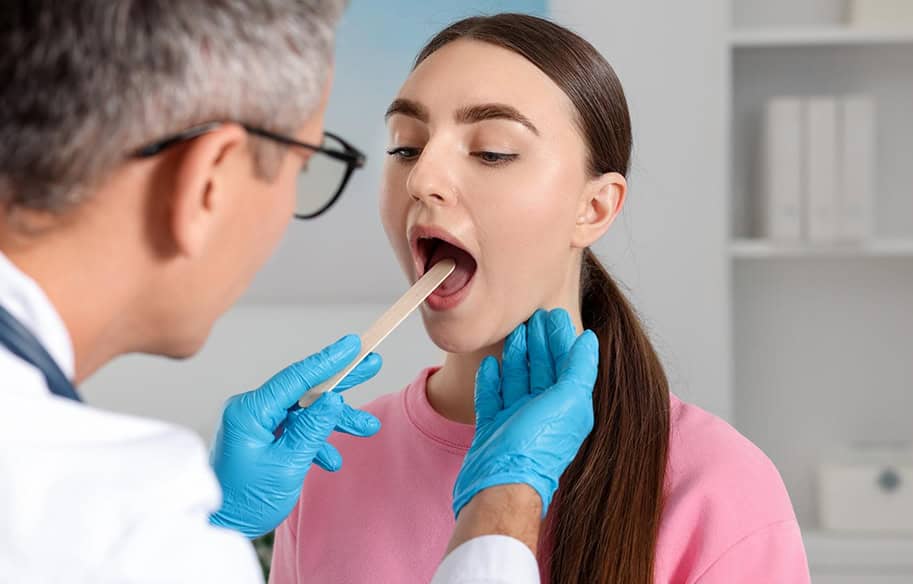
Dysphagia — the medical term for difficulty swallowing — encompasses a wide range of conditions that affect the ability to move food or liquid safely and comfortably from the mouth to the stomach. It can result from structural abnormalities in the throat or oesophagus, neurological conditions affecting the swallowing mechanism, inflammatory conditions, or complications following surgery or radiotherapy. Dr. Dyrmishi offers comprehensive assessment and management of swallowing disorders, from detailed diagnostic evaluation through to targeted surgical or therapeutic intervention where required.
Is This Treatment
RIGHT FOR YOU?
Swallowing difficulties should never be dismissed as a minor inconvenience — they carry real risks including malnutrition, dehydration, and aspiration of food or liquid into the lungs. The following will help you determine whether a formal assessment is appropriate.
Any patient who experiences persistent difficulty swallowing solids or liquids, a sensation of food sticking in the throat or chest, coughing or choking during meals, unexplained weight loss, a wet or gurgly voice quality after eating, or recurrent chest infections that may be related to aspiration should seek specialist assessment without delay.
Swallowing disorders can have serious consequences when left unaddressed — including aspiration pneumonia, significant weight loss, and a progressive deterioration in overall health and quality of life. Treatment is done to identify the precise cause of the problem, manage any immediate risks, and restore as normal and comfortable a swallowing function as possible through the most appropriate combination of therapeutic and surgical measures.
How it Works
Management of swallowing disorders always begins with a thorough diagnostic assessment before any treatment is initiated. The approach is guided entirely by the underlying cause and the severity of the problem. Here is what the process looks like:

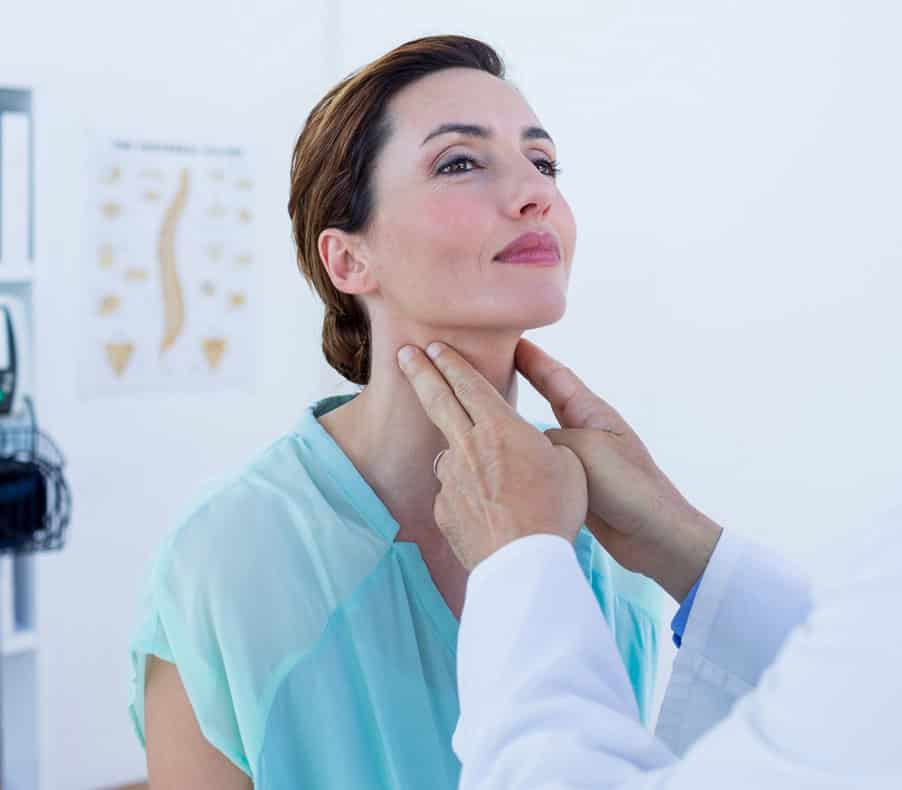
- Consultation and assessment — Dr. Dyrmishi takes a detailed history of swallowing symptoms and performs a clinical examination of the throat and larynx, arranging further investigations — such as flexible laryngoscopy, modified barium swallow, or endoscopy — to identify the precise cause and nature of the swallowing difficulty.
- Conservative management — Where appropriate, swallowing therapy — delivered in collaboration with a specialist speech and language therapist — dietary modification, and management of any underlying inflammatory or neurological condition are initiated as first-line treatment.
- Surgical treatment — Structural causes of dysphagia — such as a pharyngeal pouch, cricopharyngeal dysfunction, or laryngeal lesions — are addressed surgically using endoscopic or open techniques depending on the nature and location of the problem.
- Ongoing review — Swallowing disorders often require ongoing monitoring and adjustment of the management plan, particularly where an underlying neurological or systemic condition is present; Dr. Dyrmishi coordinates care with relevant specialists to ensure a comprehensive, joined-up approach.
Ready to Book Your Consultation?
Tell us more about your concerns and the service you are interested in. Our team will contact you to schedule your consultation with Dr. Ervin Dyrmishi and provide a free quote for your case.

I visited Dr. Ervin Dyrmishi for ongoing nasal blockage and breathing difficulty. He explained everything clearly, performed a detailed examination, and helped me understand the right treatment options. I felt listened to and confident throughout the process.
My consultation was very professional from start to finish. Dr. Dyrmishi took the time to understand both my medical concerns and aesthetic goals. His approach felt careful, honest, and very personalized.
I came in for sinus problems that had been affecting me for a long time. Dr. Dyrmishi was thorough, calm, and very clear in explaining the diagnosis and next steps. The whole experience made me feel much more comfortable.
I was nervous before my facial procedure, but Dr. Dyrmishi explained the treatment plan in detail and answered all my questions. I appreciated his focus on natural results and making sure everything suited my face.
We brought our child for recurring ear and throat problems, and the consultation was excellent. Dr. Dyrmishi was patient, gentle, and explained everything in a way we could understand. We felt reassured and well guided.
Dr. Dyrmishi combines professionalism with a very human approach. He carefully reviewed my symptoms, explained the examination findings, and gave me a clear plan for treatment. I would highly recommend him.
Our Patients in Their Own Words
Why Choose Dr. Ervin Dyrmishi?
Dr. Ervin Dyrmishi brings together a strong medical background, advanced ENT and head and neck surgery training, and a refined understanding of facial anatomy and aesthetics. He graduated magna cum laude with a joint medical degree from the University “Our Lady of Good Counsel” in Tirana and the University of Rome “Tor Vergata,” and has continued his professional development through international courses in aesthetic and functional septorhinoplasty, rhinology, otology, temporal bone surgery, and head and neck surgery.
His clinical experience includes ENT emergency care, microsurgery, surgical patient management, head and neck procedures, and daily diagnostic evaluation, giving patients a careful, structured, and well-rounded approach to both medical and aesthetic care.
Let’s Make Your Beauty Journey Simple
Faqs
Frequently Asked Questions
Yes — the pattern of swallowing difficulty provides important diagnostic information. Difficulty swallowing solids that progresses over time to include liquids often suggests a structural cause such as a stricture or growth narrowing the throat or oesophagus. Difficulty with liquids from the outset, or coughing and choking during swallowing, more commonly points to a neurological or muscular cause affecting the swallowing mechanism itself. Dr. Dyrmishi will use this information alongside clinical examination and investigations to reach an accurate diagnosis.
Yes. Laryngopharyngeal reflux — where stomach acid travels up into the throat — is a common and frequently overlooked cause of swallowing discomfort, throat clearing, and a sensation of something stuck in the throat. It does not always present with the typical heartburn associated with gastric reflux, which is why it is often missed. Where reflux is identified as a contributing factor, appropriate medical management can produce a significant improvement in swallowing comfort.
It can be. The most serious risk associated with swallowing disorders is aspiration — where food or liquid enters the airway rather than the oesophagus — which can lead to aspiration pneumonia, a potentially serious lung infection. Patients with significant dysphagia may also experience malnutrition and dehydration if their ability to eat and drink is substantially compromised. This is why prompt assessment and appropriate management are important rather than simply adapting to the difficulty.
Recovery varies considerably depending on the nature and extent of the procedure. Endoscopic procedures for conditions such as a pharyngeal pouch or cricopharyngeal dysfunction typically involve a short hospital stay and a period of dietary modification while healing takes place, with most patients noticing an improvement in swallowing within a few weeks. More complex surgical cases require a longer and more carefully managed recovery. Dr. Dyrmishi will provide a clear and detailed recovery plan specific to your procedure and circumstances.
Contact us now!
Book Your Appointment Today
Take the first step toward clearer breathing, improved comfort, or a refined aesthetic result. Dr. Ervin Dyrmishi provides personalized consultations for ENT, head and neck, plastic, and facial aesthetic surgery concerns.
Call +355694069847 or fill out the form to schedule your consultation.
Interested in ENT, Head and Neck, or Plastic Surgery Care?
Tell us more about your concerns and the service you are interested in. Our team will contact you to schedule your appointment and guide you through the next steps.
