

Tonsil and Adenoid Surgery: Tonsillectomy and Adenoidectomy
Tonsil and adenoid problems are among the most common reasons for ENT referral in both children and adults. When these small glands become a source of repeated infection or begin to obstruct the airway during sleep, surgical removal offers a straightforward, highly effective solution with a well-established safety record.
What is Tonsil and Adenoid Surgery?
A tonsillectomy is the surgical removal of the tonsils — the two glands at the back of the throat that form part of the immune system but can become chronically inflamed or enlarged. An adenoidectomy removes the adenoids — similar glandular tissue located at the back of the nasal passage, above the throat. The two procedures are frequently performed together, particularly in children, when both sets of tissue are contributing to symptoms. Removal does not compromise immune function and in most patients produces an immediate and significant improvement in health and wellbeing.
Is This Treatment
RIGHT FOR YOU?
Tonsil and adenoid surgery is one of the most commonly performed ENT procedures worldwide, with a strong evidence base and high patient satisfaction. The following will help you determine whether it may be appropriate for you or your child.
Good candidates include patients — children and adults alike — who experience recurrent tonsillitis meeting clinical guidelines for surgery, chronic tonsil or adenoid enlargement causing breathing difficulties or obstructive sleep apnoea, persistent mouth breathing, or a history of peritonsillar abscess. In adults, tonsillectomy may also be recommended where there is concern about an asymmetrical or unusual-looking tonsil that requires histological examination.
Repeated courses of antibiotics, frequent school or work absences, disrupted sleep, and the knock-on effects of chronic infection take a significant toll over time. Surgery is recommended when the frequency or severity of symptoms crosses a clinical threshold — or when enlarged tonsils or adenoids are directly obstructing the airway and affecting sleep quality, growth, or development, particularly in children.
How it Works
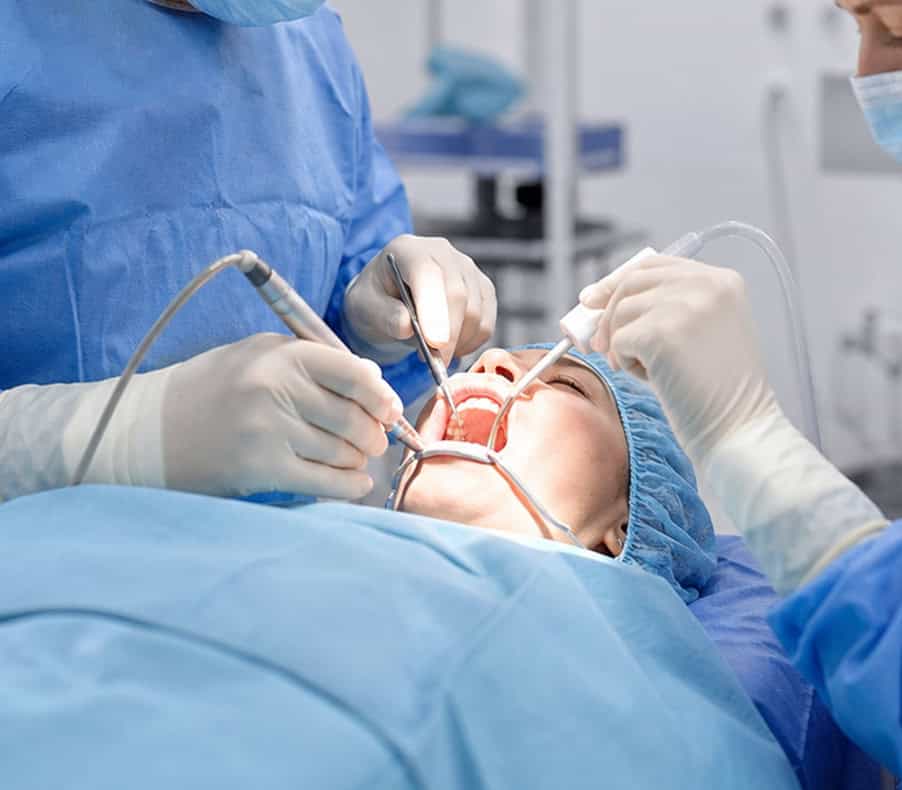
Tonsillectomy and adenoidectomy are performed under general anaesthesia, typically as day procedures or with a one-night stay depending on age and clinical factors. Both are well-established, safe operations with a recovery period that, while uncomfortable, is finite and manageable. Here is what the process looks like:

- Consultation and planning — Dr. Dyrmishi assesses the size and condition of the tonsils and adenoids, reviews the frequency and severity of symptoms, and determines whether surgery meets the clinical criteria and is the most appropriate course of action.
- The surgery — The tonsils are removed through the mouth using precise dissection techniques; the adenoids are accessed through the back of the nasal passage and removed endoscopically, with both procedures typically completed in under an hour.
- Immediate recovery — A sore throat is expected for seven to ten days following tonsillectomy and is managed with regular pain relief; a soft diet is recommended during this period, and adequate hydration is essential to support healing.
- Long-term results — The vast majority of patients experience a dramatic reduction in throat infections, significantly improved sleep quality, and — particularly in children — meaningful improvements in energy, behaviour, and overall health following recovery.
Ready to Book Your Consultation?
Tell us more about your concerns and the service you are interested in. Our team will contact you to schedule your consultation with Dr. Ervin Dyrmishi and provide a free quote for your case.

I visited Dr. Ervin Dyrmishi for ongoing nasal blockage and breathing difficulty. He explained everything clearly, performed a detailed examination, and helped me understand the right treatment options. I felt listened to and confident throughout the process.
My consultation was very professional from start to finish. Dr. Dyrmishi took the time to understand both my medical concerns and aesthetic goals. His approach felt careful, honest, and very personalized.
I came in for sinus problems that had been affecting me for a long time. Dr. Dyrmishi was thorough, calm, and very clear in explaining the diagnosis and next steps. The whole experience made me feel much more comfortable.
I was nervous before my facial procedure, but Dr. Dyrmishi explained the treatment plan in detail and answered all my questions. I appreciated his focus on natural results and making sure everything suited my face.
We brought our child for recurring ear and throat problems, and the consultation was excellent. Dr. Dyrmishi was patient, gentle, and explained everything in a way we could understand. We felt reassured and well guided.
Dr. Dyrmishi combines professionalism with a very human approach. He carefully reviewed my symptoms, explained the examination findings, and gave me a clear plan for treatment. I would highly recommend him.
Our Patients in Their Own Words
Why Choose Dr. Ervin Dyrmishi?
Dr. Ervin Dyrmishi brings together a strong medical background, advanced ENT and head and neck surgery training, and a refined understanding of facial anatomy and aesthetics. He graduated magna cum laude with a joint medical degree from the University “Our Lady of Good Counsel” in Tirana and the University of Rome “Tor Vergata,” and has continued his professional development through international courses in aesthetic and functional septorhinoplasty, rhinology, otology, temporal bone surgery, and head and neck surgery.
His clinical experience includes ENT emergency care, microsurgery, surgical patient management, head and neck procedures, and daily diagnostic evaluation, giving patients a careful, structured, and well-rounded approach to both medical and aesthetic care.

Let’s Make Your Beauty Journey Simple
Faqs
Frequently Asked Questions
There is no strict minimum age, though surgery is generally considered from around three years of age onwards when symptoms are significantly affecting health, sleep, or development. Each child is assessed individually, with the decision based on the severity and frequency of symptoms rather than age alone. Dr. Dyrmishi will give a clear, honest recommendation based on a thorough assessment of your child’s specific situation.
Yes — adults generally experience a more uncomfortable and prolonged recovery from tonsillectomy than children. The sore throat following surgery typically lasts seven to fourteen days in adults and can be significant, particularly when swallowing. Regular pain relief taken on a schedule — rather than waiting for pain to peak — and maintaining adequate fluid intake are the most effective ways to manage the recovery period comfortably.
Post-operative bleeding is the most significant risk associated with tonsillectomy, occurring in a small percentage of patients — most commonly between five and ten days after surgery as the healing tissue begins to separate. Patients are advised to avoid strenuous activity, hard or sharp foods, and anything that may disturb the healing throat during this period. Any bleeding following tonsillectomy should be assessed promptly, and Dr. Dyrmishi’s team will provide clear guidance on what to do should this occur.
This is one of the most common concerns among parents considering surgery for their child. The tonsils and adenoids form part of the immune system in early childhood, but their role diminishes significantly with age as the broader immune system matures. There is no clinical evidence that tonsillectomy or adenoidectomy leads to increased susceptibility to infection — and in practice, most patients find that their overall health improves markedly following surgery.
Contact us now!
Book Your Appointment Today
Take the first step toward clearer breathing, improved comfort, or a refined aesthetic result. Dr. Ervin Dyrmishi provides personalized consultations for ENT, head and neck, plastic, and facial aesthetic surgery concerns.
Call +355694069847 or fill out the form to schedule your consultation.
Interested in ENT, Head and Neck, or Plastic Surgery Care?
Tell us more about your concerns and the service you are interested in. Our team will contact you to schedule your appointment and guide you through the next steps.
