

Eyelid Surgery
The eyes are the first thing people notice — and often the first place that age makes itself known. Drooping upper lids, puffiness beneath the eyes, and excess skin that creates a heavy, tired appearance can all affect not just how you look, but how others perceive your energy and engagement. Eyelid surgery is one of the most precise, transformative procedures in facial aesthetics — delivering results that are subtle enough to look entirely natural, yet significant enough to make a profound difference.
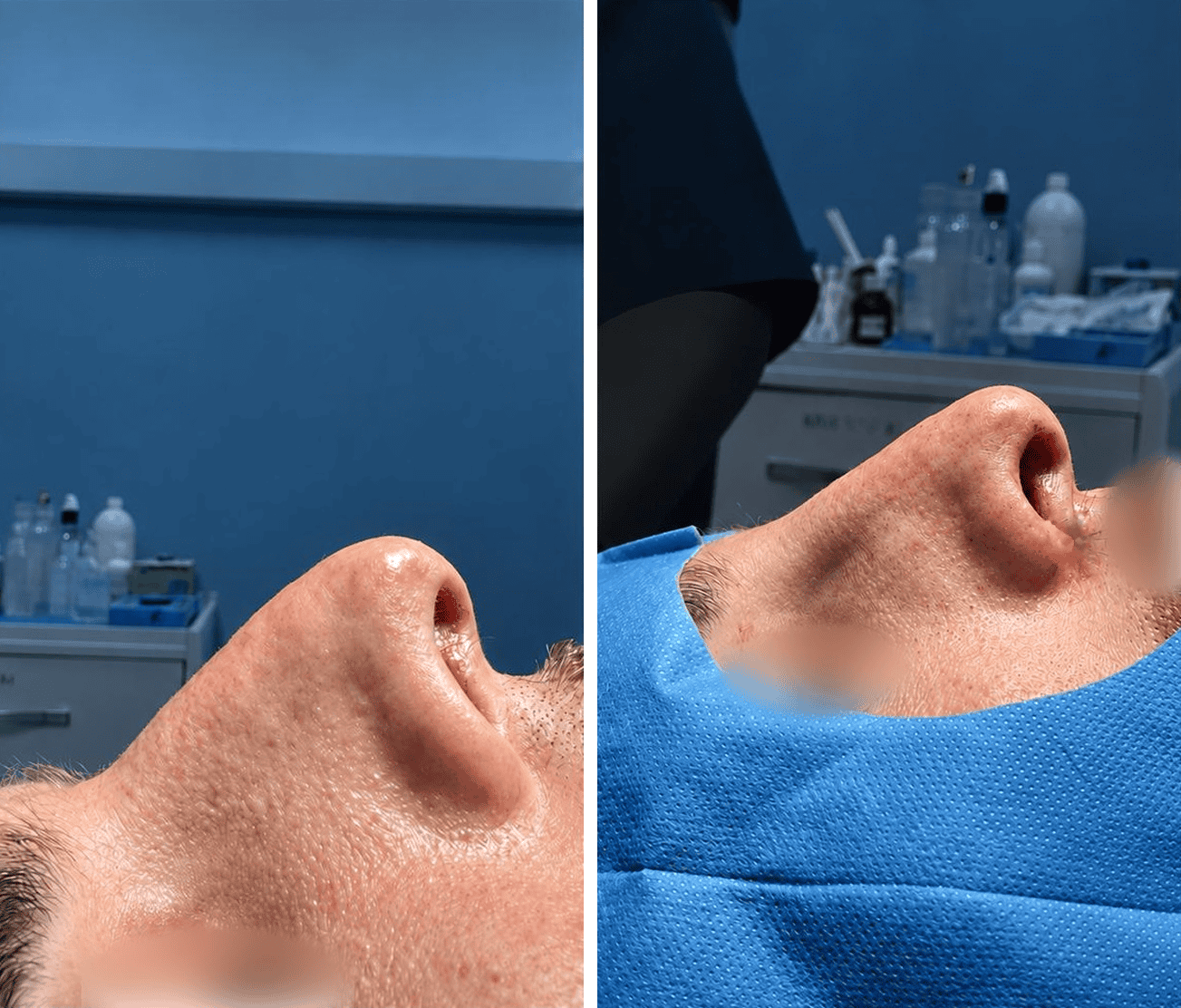
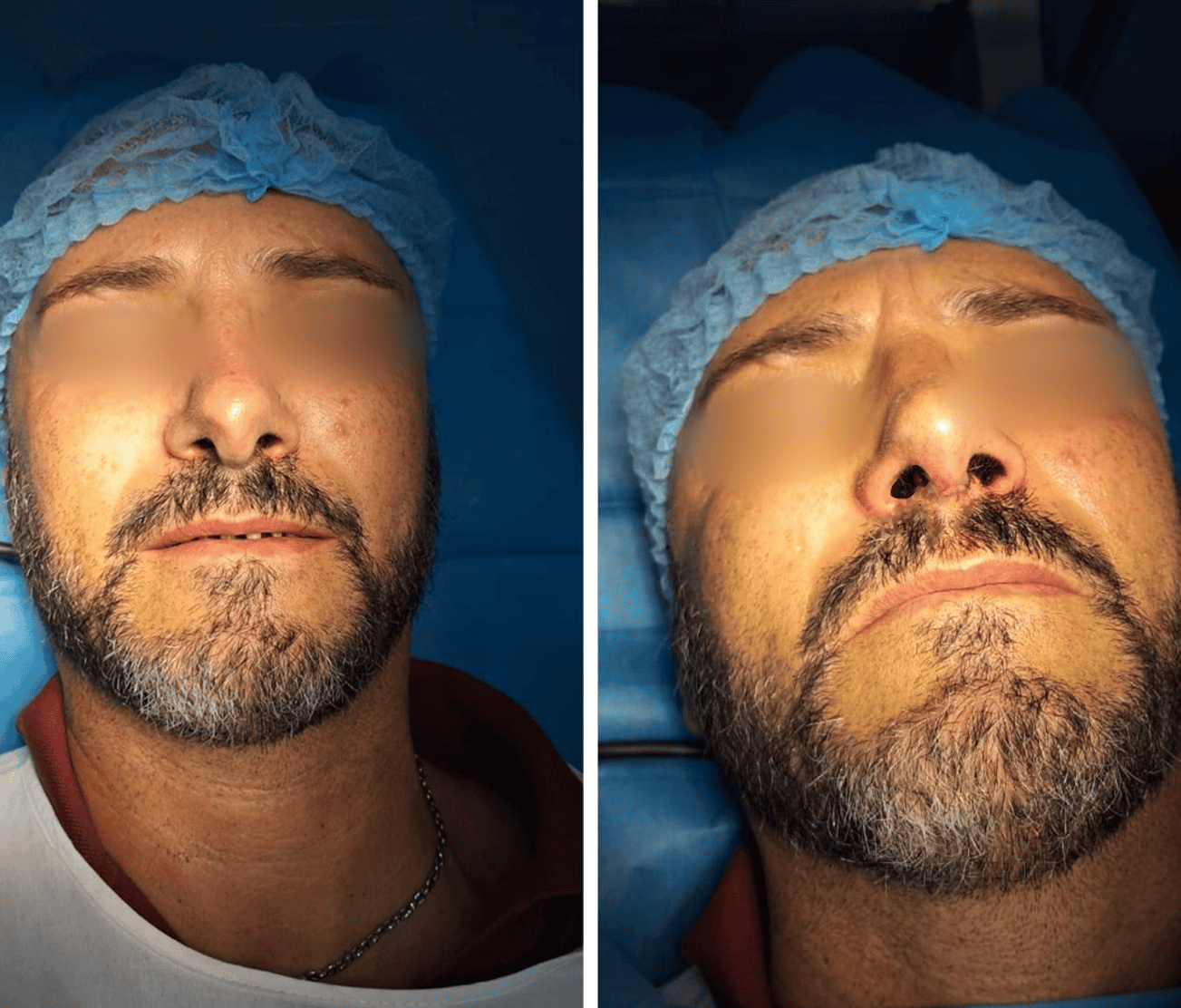
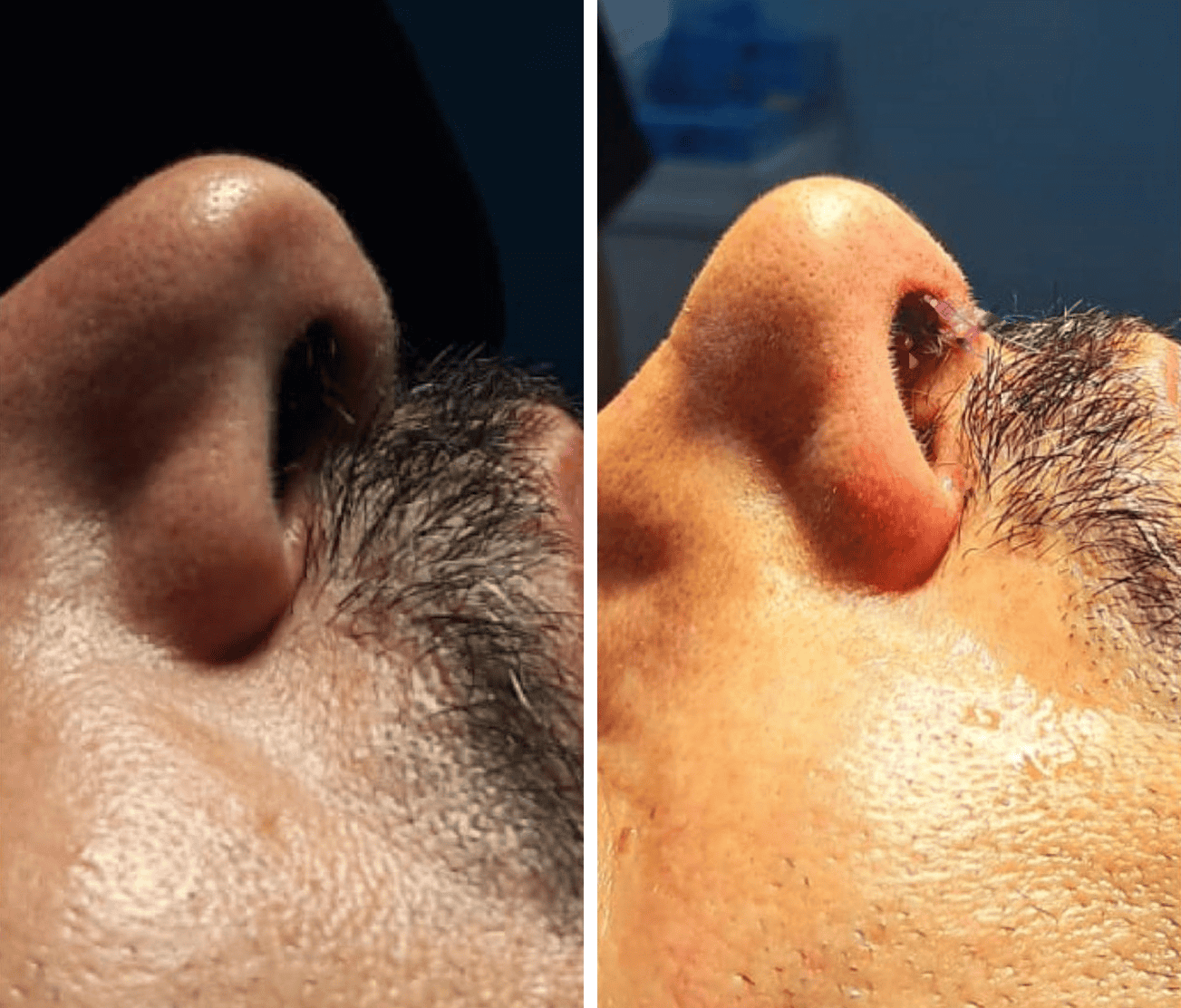
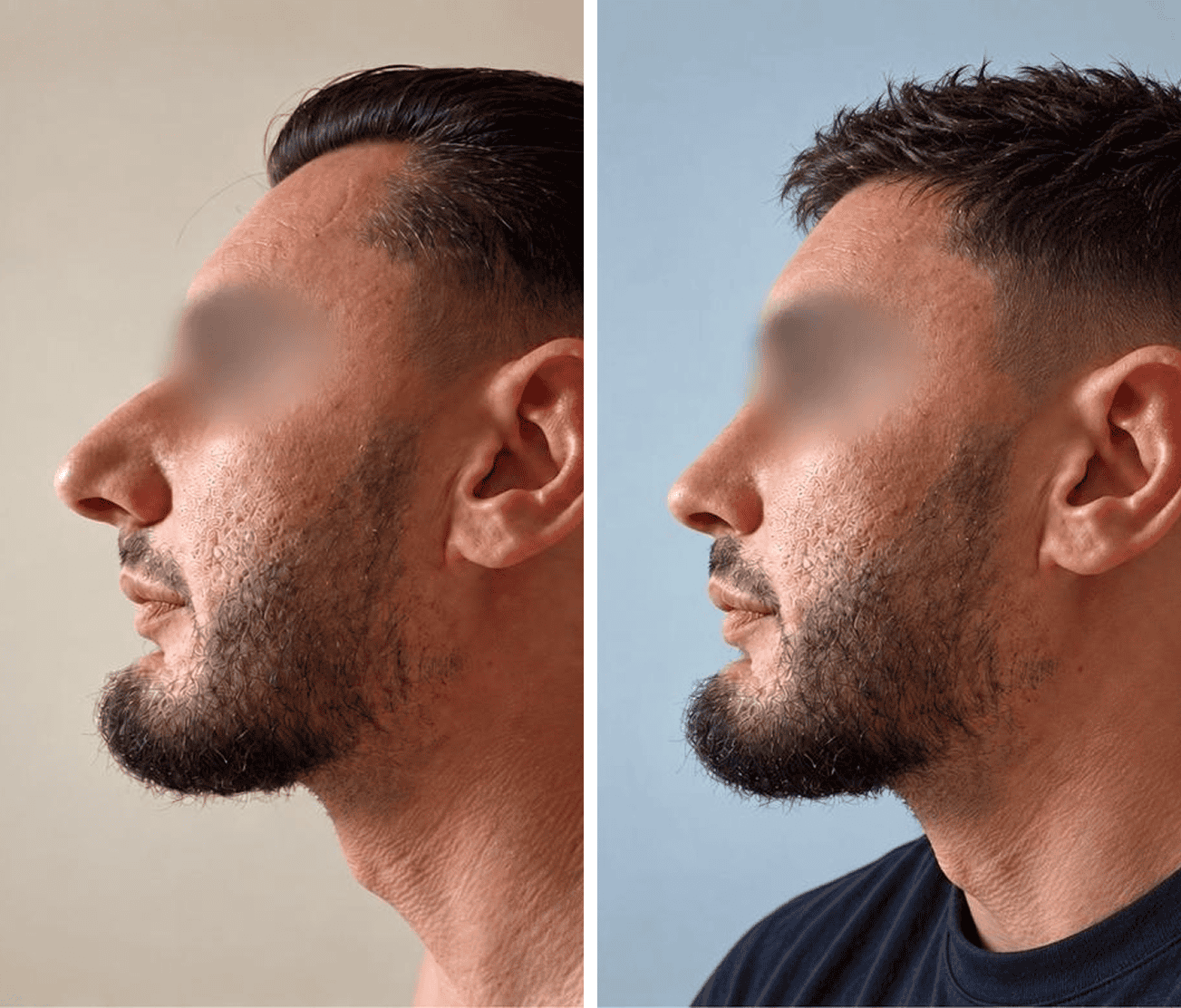
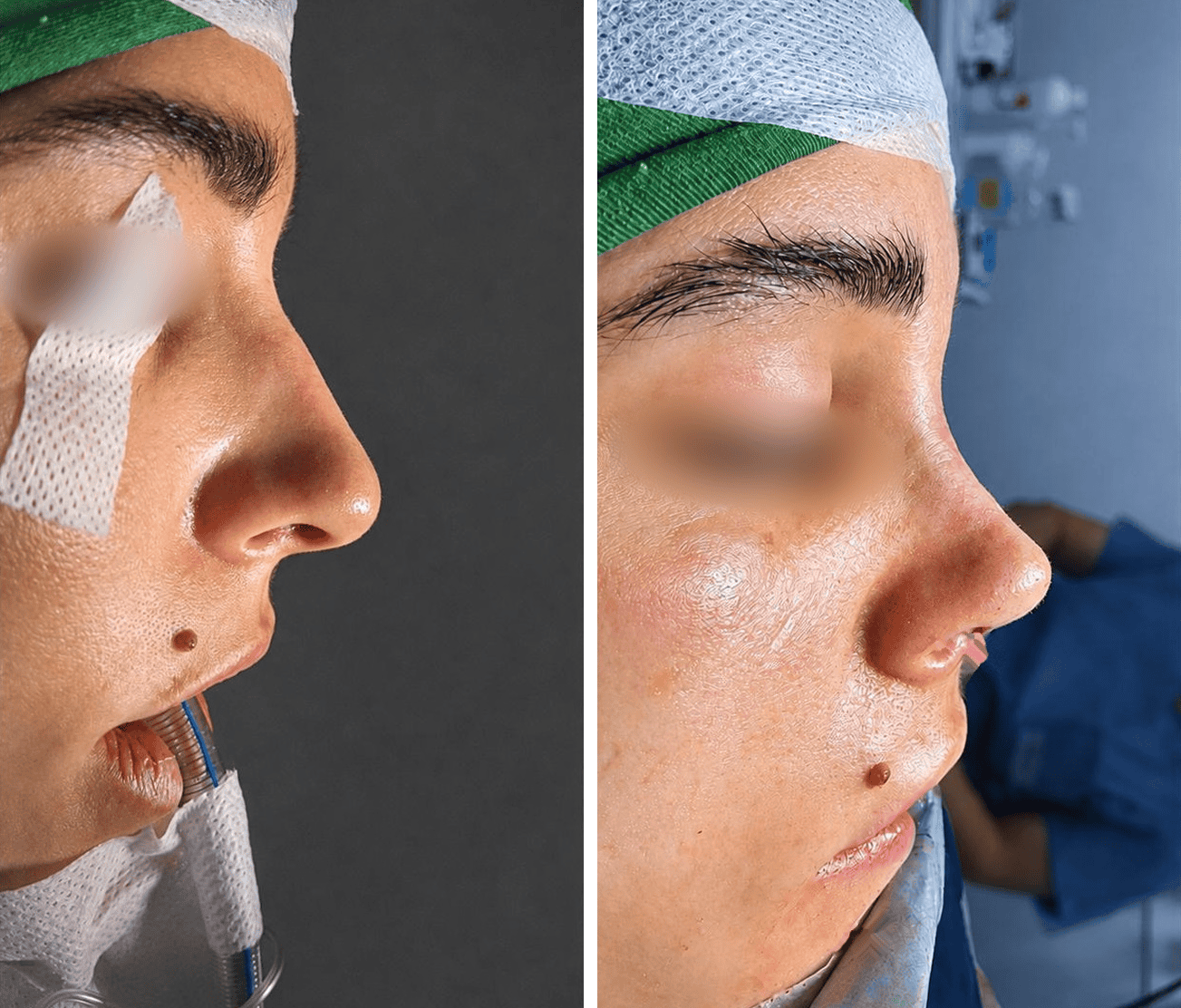
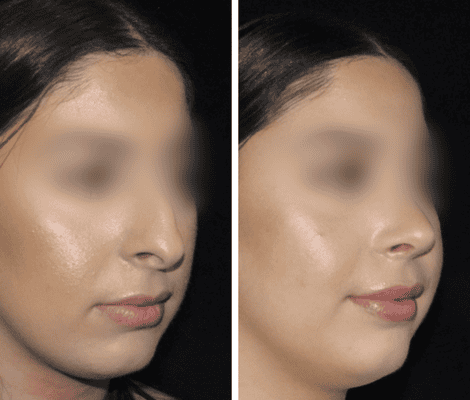
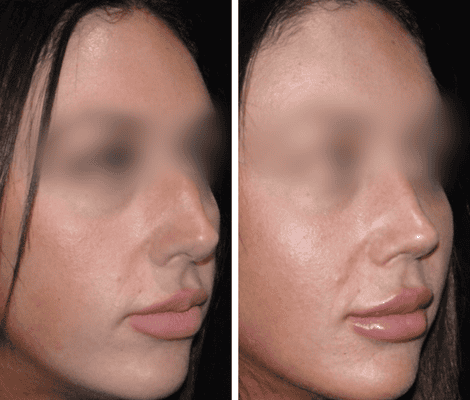
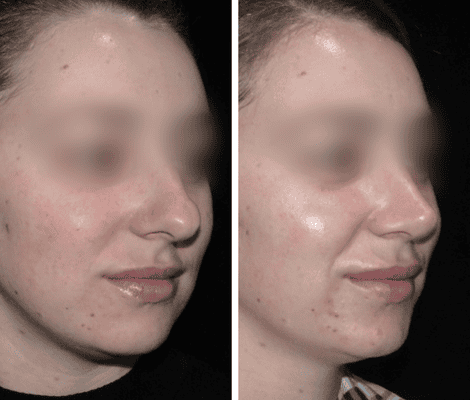
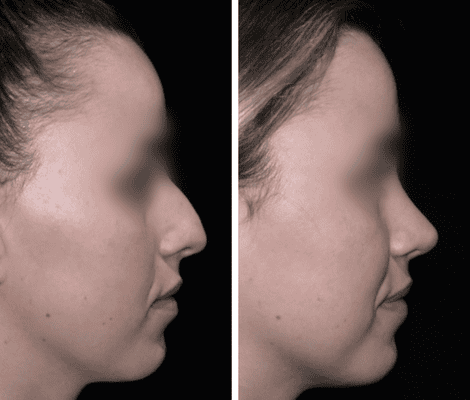
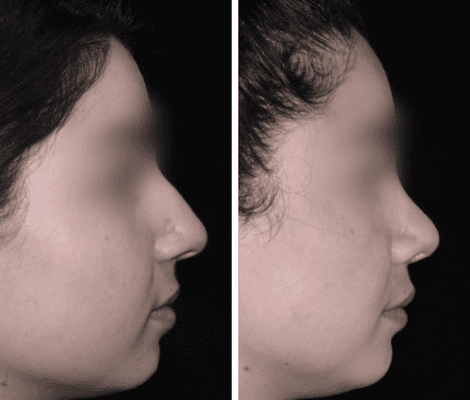
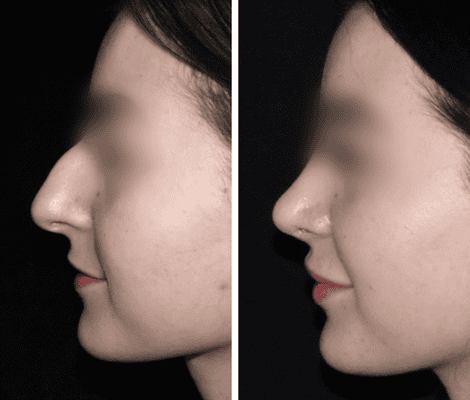
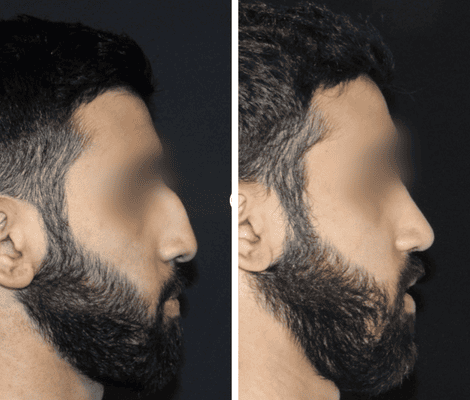
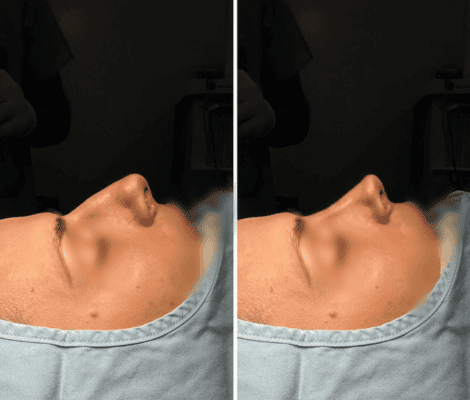
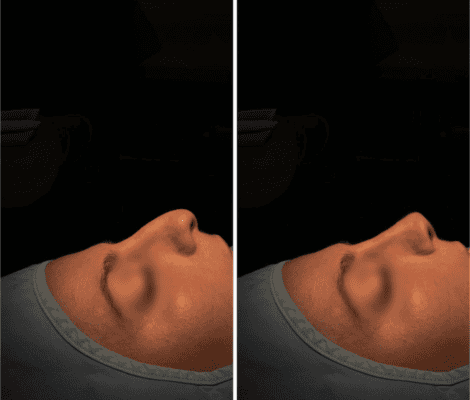
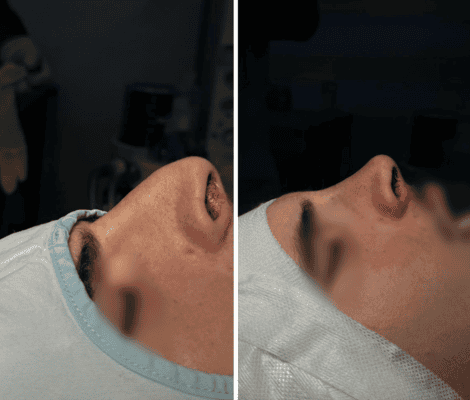
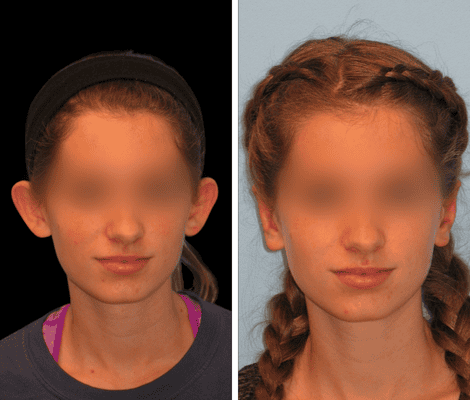
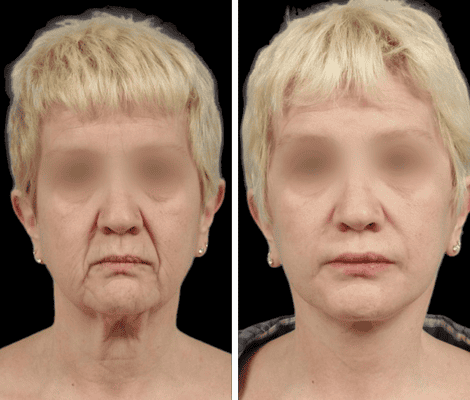
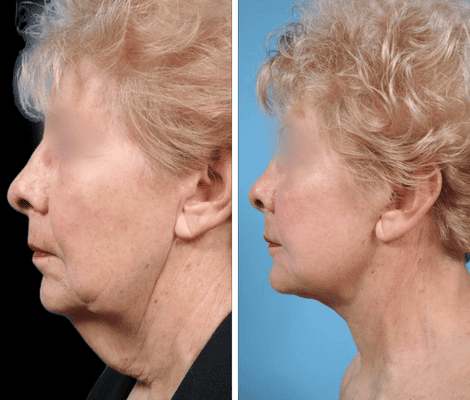
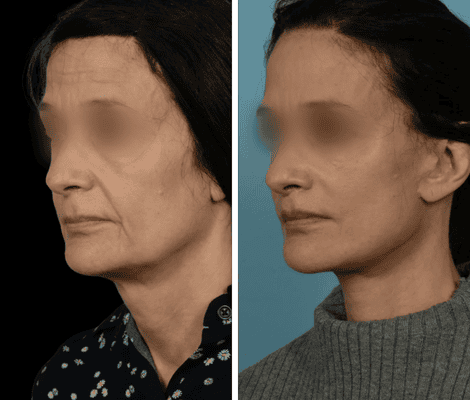
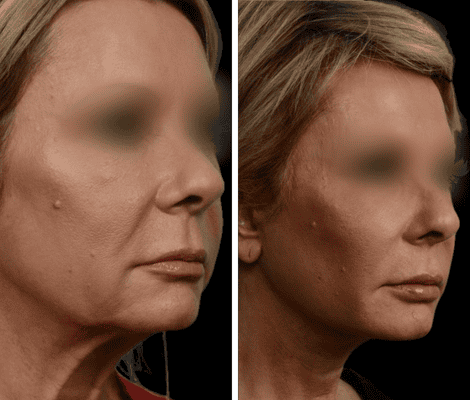
What is Eyelid Surgery?
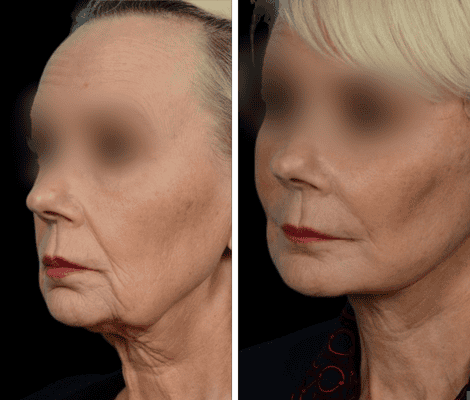
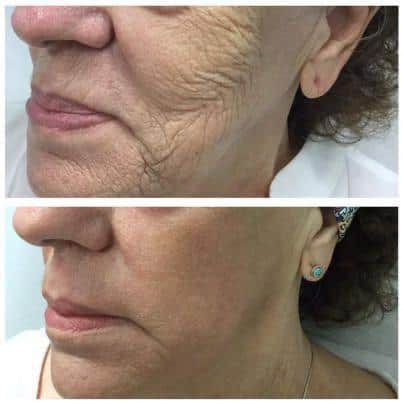
Eyelid surgery, known medically as blepharoplasty, is a surgical procedure that removes or repositions excess skin, muscle, and fat from the upper eyelids, lower eyelids, or both. Upper blepharoplasty addresses hooded or drooping lids that can make the eyes appear smaller, heavier, or chronically tired — and in more advanced cases, can even impair peripheral vision. Lower blepharoplasty targets under-eye bags, puffiness, and fine crepey skin that create a worn or aged appearance. Together or separately, these procedures restore a more alert, youthful, and rested look to the entire eye area.

Is Eyelid Surgery
RIGHT FOR YOU?
The eye area is delicate and highly expressive — making precision and experience essential. The following will help you assess whether blepharoplasty may be the right solution for your concerns.
Good candidates for eyelid surgery are generally adults in good overall health who are bothered by excess upper lid skin, drooping that affects their appearance or vision, persistent under-eye bags, or a generally fatigued look that does not reflect how they feel. Candidates should have no serious eye conditions, be non-smokers or willing to quit ahead of surgery, and approach the procedure with realistic expectations. Certain medical conditions affecting the eyes or tear production will be screened for during consultation.
Patients seek blepharoplasty for both aesthetic and functional reasons. Aesthetically, the goal is to restore a brighter, more open, more rested appearance to the eyes — one of the most impactful changes achievable through facial surgery. Functionally, significantly drooping upper lids can obstruct the upper visual field, causing fatigue, difficulty reading, and reduced quality of life. In these cases, surgery is not only cosmetically beneficial but genuinely restorative.
How it Works
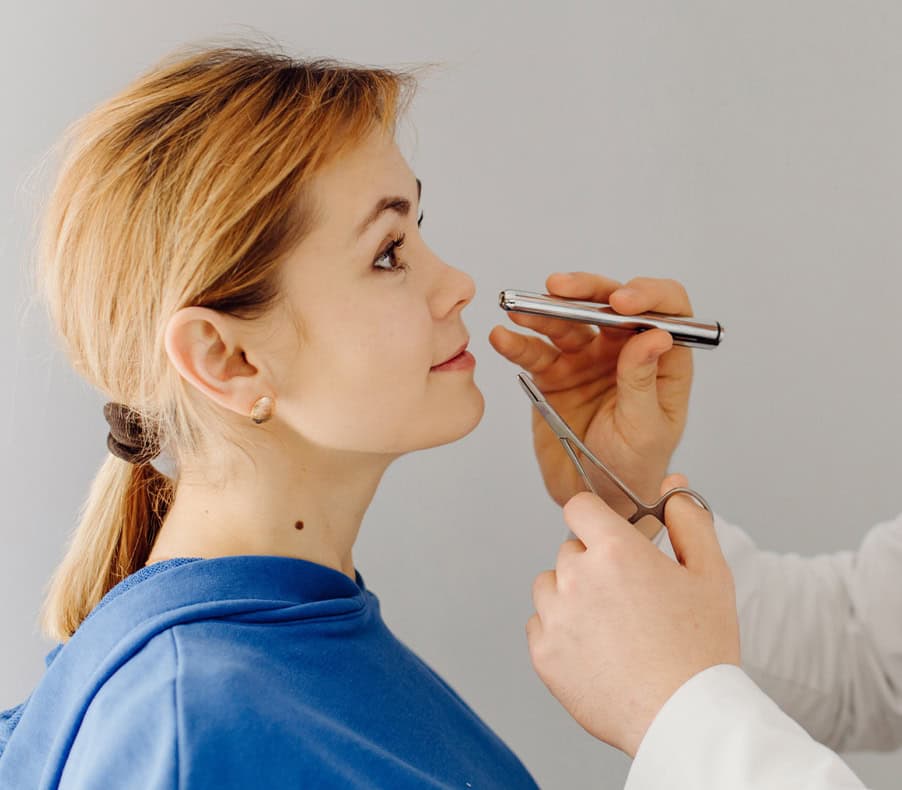
Eyelid surgery is typically performed under local anaesthesia with sedation, though general anaesthesia may be used depending on the extent of the procedure and patient preference. It is a highly precise operation that requires an intimate understanding of the delicate anatomy surrounding the eye. Here is what the process looks like:

- Consultation and planning — Dr. Dyrmishi conducts a thorough assessment of your eyelid anatomy, skin laxity, fat distribution, and visual field where relevant, using this to determine whether upper, lower, or combined blepharoplasty will best achieve your goals.
- The surgery — Incisions are placed precisely within the natural crease of the upper lid or just below the lash line of the lower lid, keeping them virtually invisible; excess skin and fat are then carefully removed or repositioned to restore a smooth, open appearance.
- Immediate recovery — Swelling, bruising, and mild tightness around the eyes are expected in the first week; cool compresses and keeping the head elevated help to manage these, and most patients feel comfortable in public within seven to ten days.
- Long-term results — The eye area continues to refine over six to eight weeks, with results that typically last ten years or more for the upper lids and seven to ten years for the lower lids, depending on individual ageing patterns.
Ready to Book Your Consultation?
Tell us more about your concerns and the service you are interested in. Our team will contact you to schedule your consultation with Dr. Ervin Dyrmishi and provide a free quote for your case.

I visited Dr. Ervin Dyrmishi for ongoing nasal blockage and breathing difficulty. He explained everything clearly, performed a detailed examination, and helped me understand the right treatment options. I felt listened to and confident throughout the process.
My consultation was very professional from start to finish. Dr. Dyrmishi took the time to understand both my medical concerns and aesthetic goals. His approach felt careful, honest, and very personalized.
I came in for sinus problems that had been affecting me for a long time. Dr. Dyrmishi was thorough, calm, and very clear in explaining the diagnosis and next steps. The whole experience made me feel much more comfortable.
I was nervous before my facial procedure, but Dr. Dyrmishi explained the treatment plan in detail and answered all my questions. I appreciated his focus on natural results and making sure everything suited my face.
We brought our child for recurring ear and throat problems, and the consultation was excellent. Dr. Dyrmishi was patient, gentle, and explained everything in a way we could understand. We felt reassured and well guided.
Dr. Dyrmishi combines professionalism with a very human approach. He carefully reviewed my symptoms, explained the examination findings, and gave me a clear plan for treatment. I would highly recommend him.
Our Patients in Their Own Words
Why Choose Dr. Ervin Dyrmishi?
Dr. Ervin Dyrmishi brings together a strong medical background, advanced ENT and head and neck surgery training, and a refined understanding of facial anatomy and aesthetics. He graduated magna cum laude with a joint medical degree from the University “Our Lady of Good Counsel” in Tirana and the University of Rome “Tor Vergata,” and has continued his professional development through international courses in aesthetic and functional septorhinoplasty, rhinology, otology, temporal bone surgery, and head and neck surgery.
His clinical experience includes ENT emergency care, microsurgery, surgical patient management, head and neck procedures, and daily diagnostic evaluation, giving patients a careful, structured, and well-rounded approach to both medical and aesthetic care.
Let’s Make Your Beauty Journey Simple
Faqs
Frequently Asked Questions
In cases where the upper eyelid skin droops significantly enough to obstruct the upper visual field — a condition known as dermatochalasis — upper blepharoplasty can meaningfully restore peripheral vision. Patients often report reduced eye fatigue and improved ease of reading and driving following surgery. During your consultation, Dr. Dyrmishi will assess whether a functional component is present and factor this into your treatment plan.
Yes — during your consultation you will be asked about contact lens use, any history of dry eye, glaucoma, or other eye conditions, and any medications that may affect healing or bleeding. You will need to stop wearing contact lenses ahead of surgery and arrange for someone to accompany you home afterwards, as your vision will be temporarily affected. Full pre-operative instructions will be provided well in advance of your procedure date.
Blepharoplasty incisions are placed with great care to sit within the eye’s natural lines — in the crease of the upper lid and just beneath the lower lash line — where they heal to become extremely difficult to detect. Within a few months, most patients find their scars are virtually invisible, even without makeup. Dr. Dyrmishi’s precision in incision placement and closure is a hallmark of his approach to all facial surgery.
Yes, and this is a very common approach. Addressing both the upper and lower lids in a single procedure allows for a more comprehensive, balanced rejuvenation of the entire eye area with one anaesthetic and one recovery period. It is also frequently combined with other facial procedures such as a brow lift or facelift. Dr. Dyrmishi will advise during your consultation whether a combined approach is right for your anatomy and goals.
Contact us now!
Book Your Appointment Today
Take the first step toward clearer breathing, improved comfort, or a refined aesthetic result. Dr. Ervin Dyrmishi provides personalized consultations for ENT, head and neck, plastic, and facial aesthetic surgery concerns.
Call +355694069847 or fill out the form to schedule your consultation.
Interested in ENT, Head and Neck, or Plastic Surgery Care?
Tell us more about your concerns and the service you are interested in. Our team will contact you to schedule your appointment and guide you through the next steps.
