
Nasal Polyps and Tumours
Growths inside the nose and sinuses range from benign inflammatory polyps to rare but serious tumours — and all of them deserve careful, expert assessment. Whether the concern is chronic obstruction caused by polyps or the detection of an unexpected mass, prompt and accurate diagnosis is the essential first step toward effective treatment.
What is Nasal Polyp and Tumour Treatment?
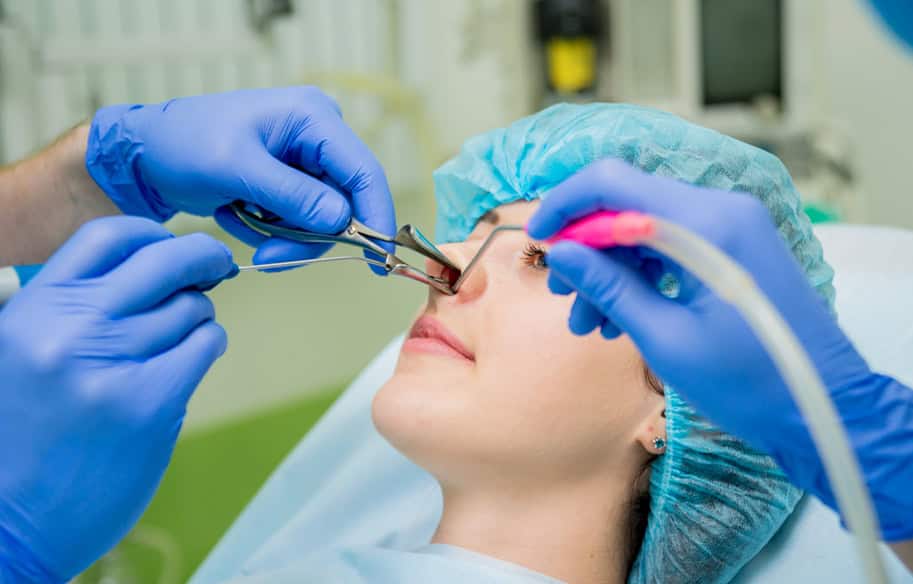
Nasal polyps are soft, non-cancerous growths that develop on the lining of the nasal passages or sinuses, typically as a result of chronic inflammation, allergies, or conditions such as asthma. When large enough, they obstruct breathing, impair smell, and contribute to recurrent sinusitis. Nasal and sinus tumours — though far less common — can be benign or malignant and require thorough investigation and precise surgical management. Treatment ranges from medical therapy and endoscopic removal to more extensive surgery depending on the nature, size, and location of the growth.
Is This Treatment
RIGHT FOR YOU?
Any persistent nasal symptom that does not respond to standard treatment — particularly one-sided obstruction, unexplained nosebleeds, or a reduced sense of smell — warrants formal assessment. The following will help you determine whether a consultation is appropriate.
Patients who experience persistent nasal obstruction, a significantly reduced or absent sense of smell, chronic sinusitis unresponsive to medication, or the sensation of a growth or pressure inside the nasal passages should seek assessment. Any patient in whom imaging or examination reveals a nasal or sinus mass — regardless of suspected nature — is a candidate for further investigation and discussion of appropriate management.
Nasal polyps, even when benign, can significantly impair quality of life — blocking airflow, eliminating the sense of smell, and creating a cycle of chronic infection that medication alone cannot break. Tumours require treatment for more urgent clinical reasons, but early identification and management are equally important in both cases. The goal in all instances is accurate diagnosis followed by the most effective, least invasive treatment appropriate for the individual patient.
How it Works
Management of nasal polyps and tumours is always guided by a thorough diagnostic workup before any treatment decision is made. The surgical approach depends entirely on the nature and extent of the condition identified. Here is what the process looks like:

- Consultation and diagnosis — Dr. Dyrmishi performs a full nasal examination including endoscopy and arranges appropriate imaging — typically a CT or MRI scan — to characterise the growth accurately and plan the most appropriate course of treatment.
- Medical management where appropriate — Nasal polyps are often first managed with corticosteroid sprays or short courses of oral steroids to reduce their size; where this is insufficient, surgical removal is recommended.
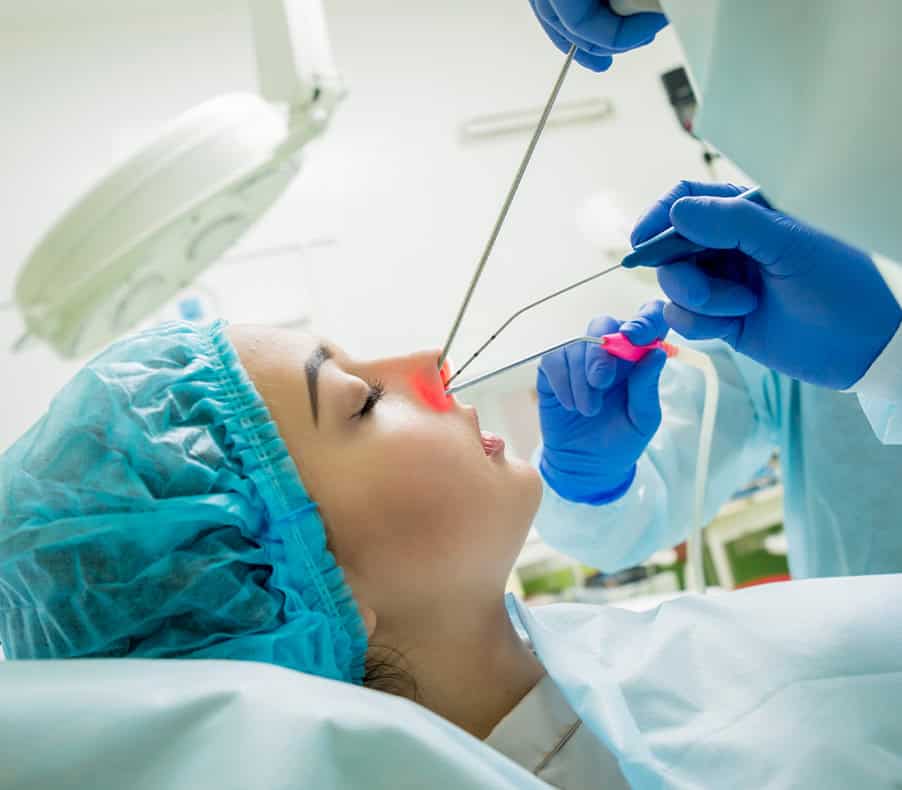
- Surgical treatment — Polyp removal and the excision of benign nasal tumours are performed endoscopically through the nostrils under general anaesthesia, with no external incisions; more complex tumours may require a broader surgical approach planned in a multidisciplinary setting.
- Follow-up and ongoing care — Polyps have a tendency to recur, particularly in patients with underlying allergies or inflammatory conditions, making regular post-operative review and ongoing medical management an important part of long-term care.
Ready to Book Your Consultation?
Tell us more about your concerns and the service you are interested in. Our team will contact you to schedule your consultation with Dr. Ervin Dyrmishi and provide a free quote for your case.

I visited Dr. Ervin Dyrmishi for ongoing nasal blockage and breathing difficulty. He explained everything clearly, performed a detailed examination, and helped me understand the right treatment options. I felt listened to and confident throughout the process.
My consultation was very professional from start to finish. Dr. Dyrmishi took the time to understand both my medical concerns and aesthetic goals. His approach felt careful, honest, and very personalized.
I came in for sinus problems that had been affecting me for a long time. Dr. Dyrmishi was thorough, calm, and very clear in explaining the diagnosis and next steps. The whole experience made me feel much more comfortable.
I was nervous before my facial procedure, but Dr. Dyrmishi explained the treatment plan in detail and answered all my questions. I appreciated his focus on natural results and making sure everything suited my face.
We brought our child for recurring ear and throat problems, and the consultation was excellent. Dr. Dyrmishi was patient, gentle, and explained everything in a way we could understand. We felt reassured and well guided.
Dr. Dyrmishi combines professionalism with a very human approach. He carefully reviewed my symptoms, explained the examination findings, and gave me a clear plan for treatment. I would highly recommend him.
Our Patients in Their Own Words
Why Choose Dr. Ervin Dyrmishi?
Dr. Ervin Dyrmishi brings together a strong medical background, advanced ENT and head and neck surgery training, and a refined understanding of facial anatomy and aesthetics. He graduated magna cum laude with a joint medical degree from the University “Our Lady of Good Counsel” in Tirana and the University of Rome “Tor Vergata,” and has continued his professional development through international courses in aesthetic and functional septorhinoplasty, rhinology, otology, temporal bone surgery, and head and neck surgery.
His clinical experience includes ENT emergency care, microsurgery, surgical patient management, head and neck procedures, and daily diagnostic evaluation, giving patients a careful, structured, and well-rounded approach to both medical and aesthetic care.
Let’s Make Your Beauty Journey Simple
Faqs
Frequently Asked Questions
Nasal polyps are benign — they are not cancerous and do not become cancerous. However, they can cause significant problems when left untreated, including complete nasal obstruction, total loss of smell, and chronic sinusitis that severely affects quality of life. Any growth inside the nose should be formally assessed to confirm its nature, as not all nasal masses are polyps, and accurate diagnosis is always the essential first step.
One-sided nasal obstruction, unexplained nosebleeds, facial numbness, visual changes, or a mass that is growing rapidly should all prompt prompt medical assessment without delay. While these symptoms do not necessarily indicate something serious, they require thorough investigation to rule out conditions that need urgent treatment. Dr. Dyrmishi prioritises timely assessment for patients with symptoms of this nature.
Polyp recurrence is a recognised challenge, particularly in patients with underlying allergies, asthma, or chronic inflammatory conditions. Surgery removes existing polyps effectively, but does not eliminate the underlying tendency to form them. Long-term medical management — including nasal corticosteroid sprays, allergy treatment, and regular review — significantly reduces the risk of recurrence. Dr. Dyrmishi will discuss a comprehensive long-term management plan as part of your post-operative care.
In mild to moderate cases, nasal polyps can be meaningfully reduced in size through medical treatment — primarily corticosteroid nasal sprays and, where appropriate, short courses of oral steroids. Where polyps are large, causing significant obstruction, or not responding to medication, surgical removal is recommended. The decision between medical and surgical management is made on an individual basis following a thorough assessment of the size, location, and impact of the polyps.
Contact us now!
Book Your Appointment Today
Take the first step toward clearer breathing, improved comfort, or a refined aesthetic result. Dr. Ervin Dyrmishi provides personalized consultations for ENT, head and neck, plastic, and facial aesthetic surgery concerns.
Call +355694069847 or fill out the form to schedule your consultation.
Interested in ENT, Head and Neck, or Plastic Surgery Care?
Tell us more about your concerns and the service you are interested in. Our team will contact you to schedule your appointment and guide you through the next steps.
